

Half Black, Half Pinay, Entirely Her Own: The Rise of Jae’roze Tate
From Pampanga to Howard University, Tate shares the journey of an Afro-Filipina artist learning to belong everywhere
By Jennifer Redondo
Jae'roze Tate is a Filipino African American musical artist who blends English and Tagalog in her rap lyrics. Born and raised in the Philippines, she later moved to the United States for higher education. After high school, she attended Howard University, a prominent Historically Black College and University (HBCU), to study pre-law. Tate leverages her platform to share her experiences as a Filipino African American, both during her upbringing in the Philippines and now as a young adult in the United States. She is committed to continuous learning and growth, embracing opportunities from both formal education and real-life experiences.
We had the opportunity to sit down and chat with Jae’roze Tate. To learn more about her, read on below.
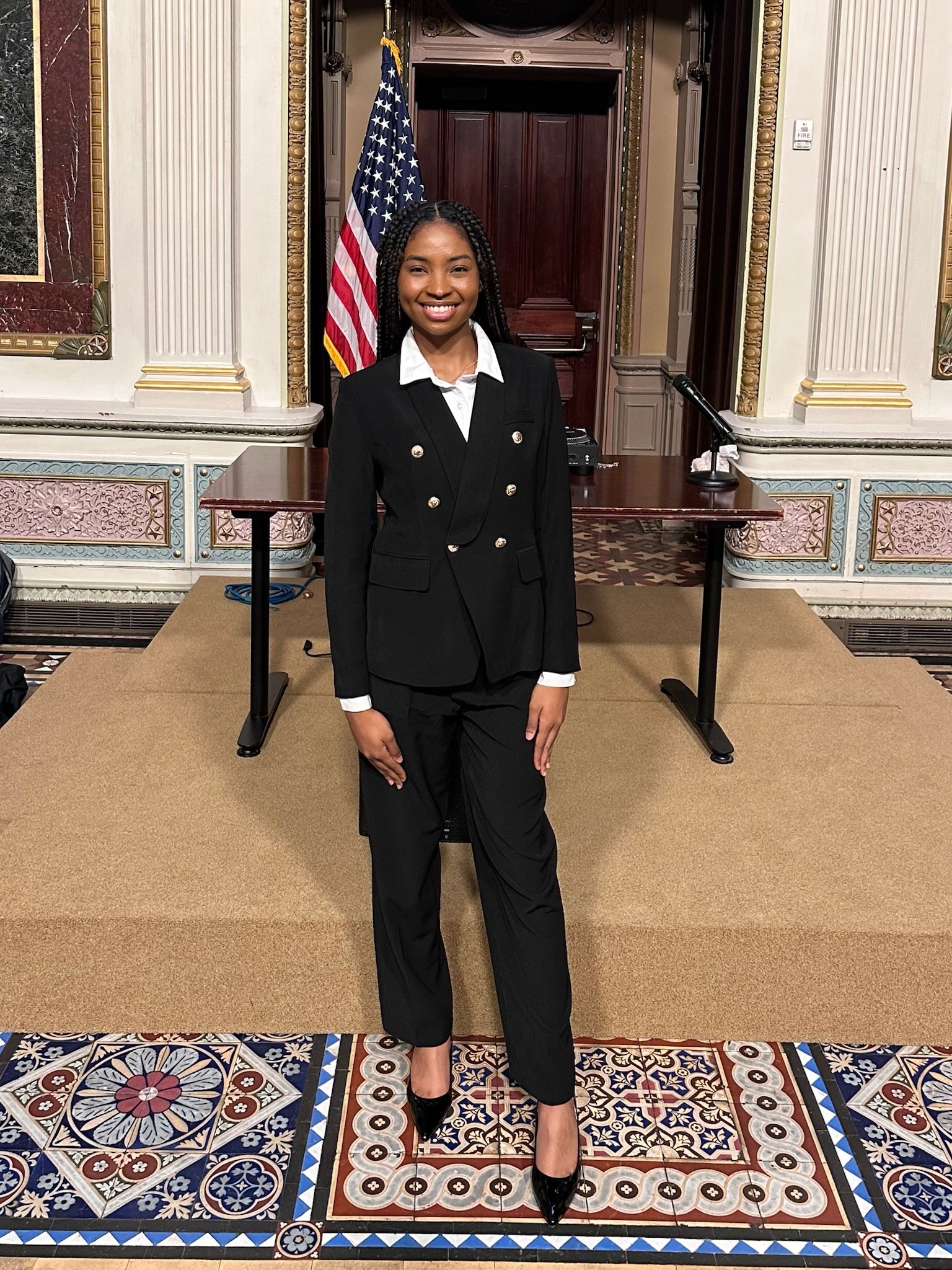
1. Tell us about yourself.
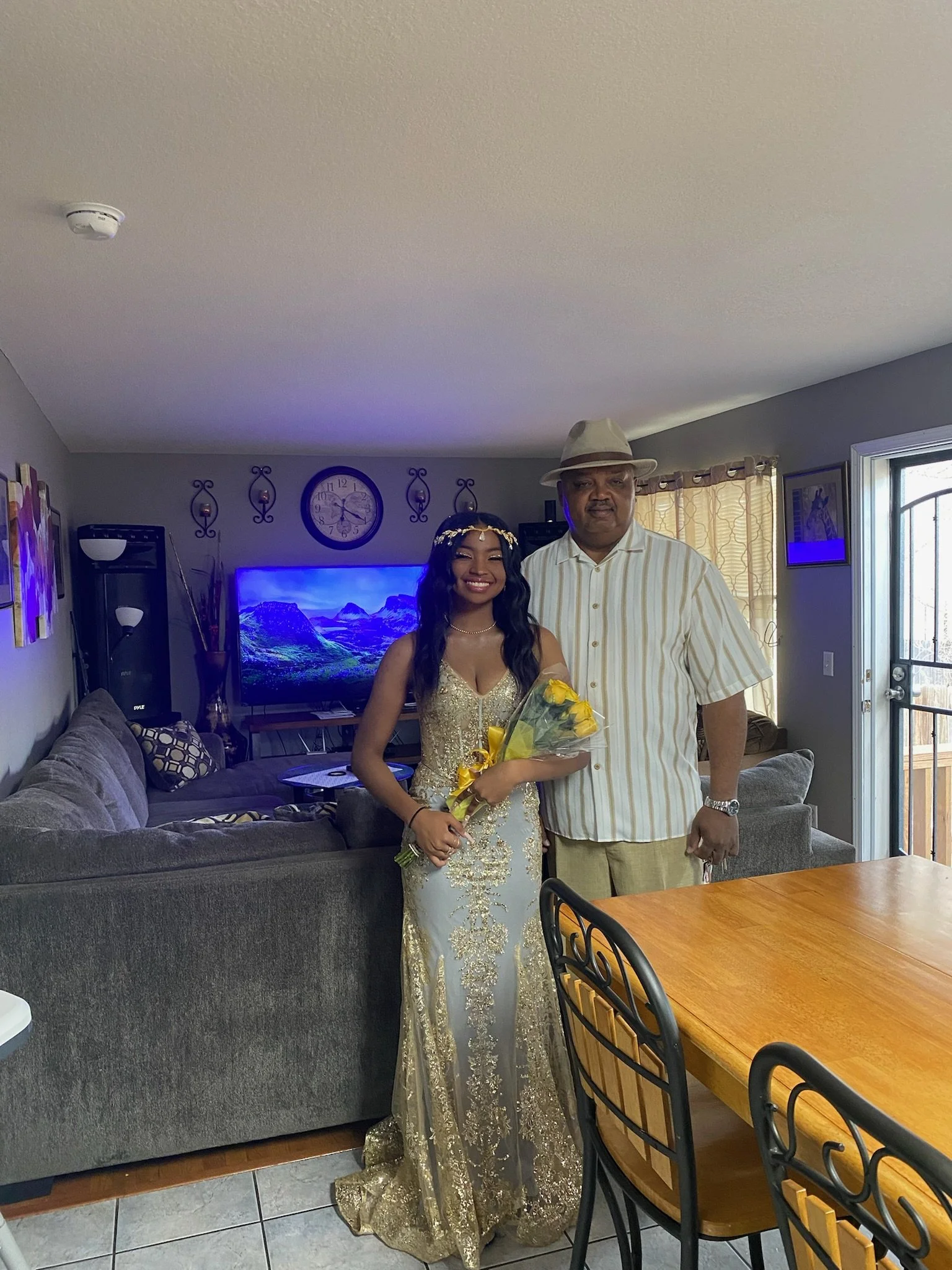
Jae'roze Tate: I'm Jae Roze Tate, born and raised in the Philippines, where I lived for most of my life until moving in 2018 at age 15. My heritage is a blend of Filipino (my mother's side) and Black American (my father's side). I primarily grew up with my maternal family, splitting my time between Angeles, Pampanga, and Bataan, which I credit for shaping who I am today. Currently, I reside in Colorado. My father is a military veteran, and he and my stepmother, who is also Filipino, work here. Her presence, along with her Tagalog speaking and Filipino cooking, has truly made Colorado feel like home.
After moving to the U.S., I never felt disconnected from my Filipino heritage. My passion for music began early; I'm 22 now, but I started making music at 16, though I'd loved it since childhood. Like many Filipinos, I participated in pageants and showcased my singing talent. However, I eventually outgrew singing and discovered a desire to become a rapper. My fascination with Nicki Minaj in fourth grade was a pivotal moment. Seeing her on television, I realized that this path was also open to me. That experience inspired me to delve into hip-hop, exploring its history, its origins in the Bronx, and its deep connection to Black culture.
My mother was very intentional about ensuring I saw myself reflected in the media I consumed. I watched a lot of Beyoncé, Rihanna, and other artists who looked like me. I grew up primarily watching American media, which attributes to me not having much of a Filipino accent. The truth is, whenever I watched Filipino shows or channels, it was difficult for me – there was a lack of representation and I didn’t see many girls that looked like me. There were several ads and commercials for whitening products. It was crucial for me to watch shows with diverse casts where people who looked like me were represented.
2. What was it like growing up Black in the Philippines?
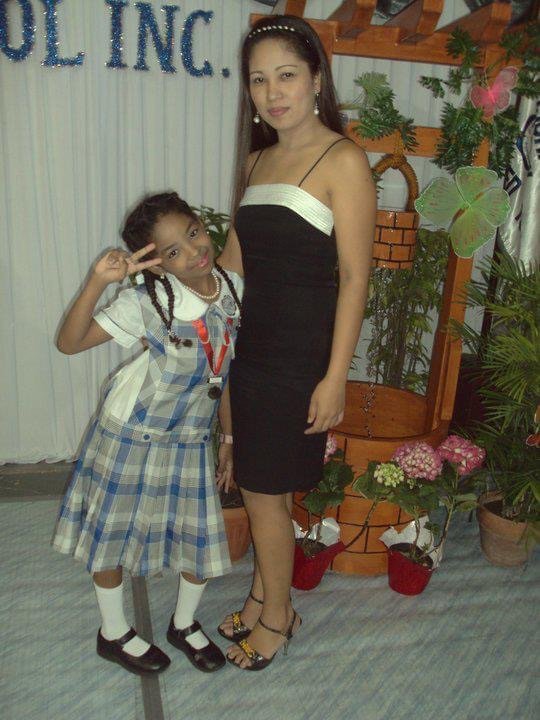
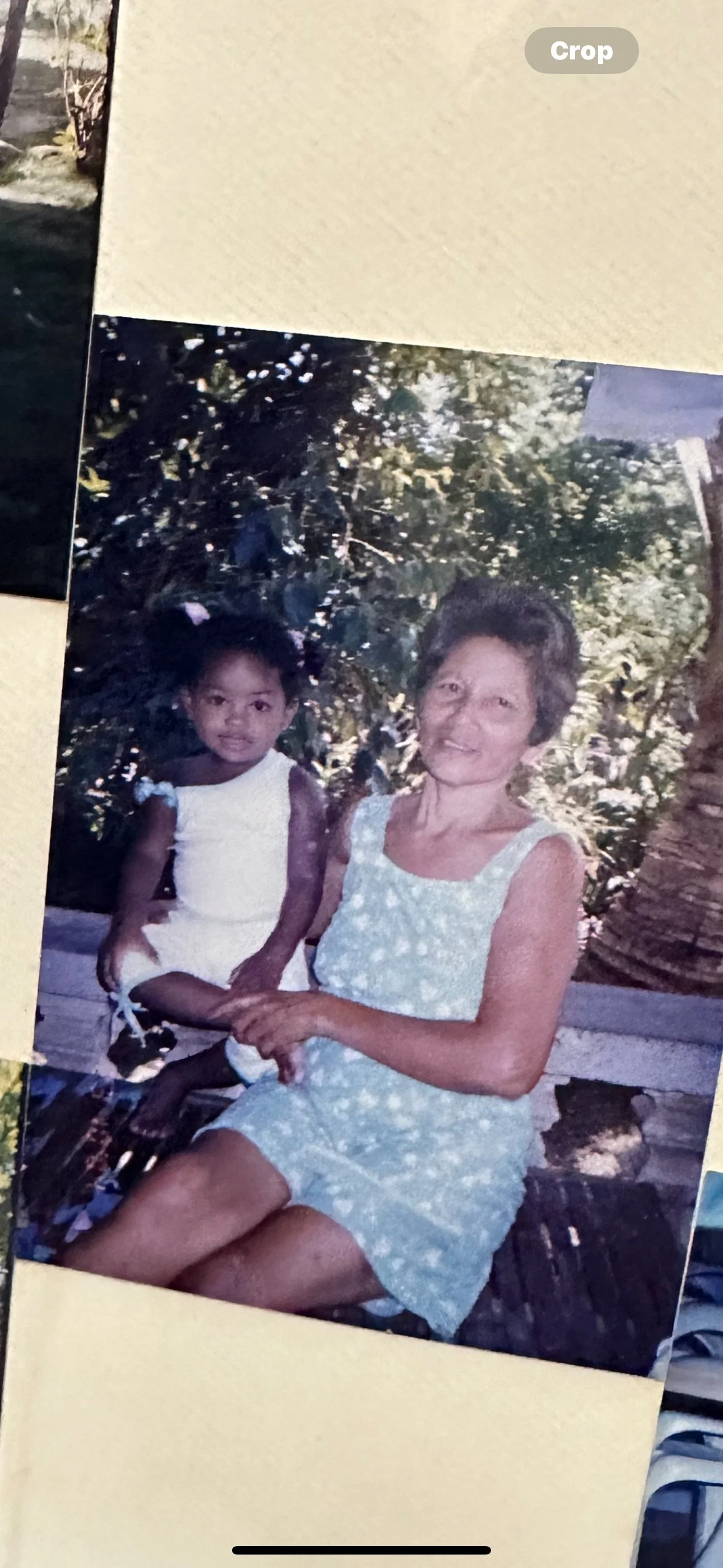
Jae'roze Tate: Growing up in the Philippines, I often felt more Black than Filipino, which led me to delve into Black culture, struggles, and the history of slavery — a topic not typically covered in Filipino schools. Like many Filipinos, I had a romanticized view of America, seeing it as a great country with an ideal life. However, upon arriving here, I realized much of that perception was propaganda.
I didn't grow up rich. I grew up poor. I grew up struggling. I grew up understanding the realities of life very very early on. At a young age, I already knew that I wanted to advocate for the people who are underserved and underprivileged. My research into rap and hip-hop further fueled this desire when I observed the problematic trend of cultural appropriation – people imitating Black culture, style, and swag without showing respect for Black individuals. This realization deepened my commitment to further investigate, read, and understand these issues.
3. What made you decide to move to the United States when you were 15 years old?
Jae'roze Tate: Truthfully I didn't have the best experience growing up Black in the Philippines. I often felt isolated as the only Black girl in my province and in every class I attended. This experience deeply impacted me, particularly during puberty when I was trying to discover my identity. My stepdad, who entered my life when I was in fourth grade, helped me connect with and understand my Black heritage.
I never felt "Filipino enough" for other Filipinos, which was a constant struggle. Everywhere I went, I felt like an outsider, always the center of attention, for better or worse. I stuck out, and unfortunately, I frequently experienced microaggressions, discrimination, or racism, which was incredibly draining. My drive to overachieve during that period was a direct result of wanting to give people something other than my appearance to focus on, as I lacked self-confidence and a clear sense of identity. I constantly questioned why I looked the way I did, and why I always seemed to be the target of jokes.
Of course, not everyone treated me poorly. My family always reminded me that I was beautiful and loved. However, it's difficult for a child navigating school and growing up to remember a mother's or grandmother's loving words when faced with constant negative experiences outside the home.
I remember begging my mom to let me leave. My dad had always been open to me coming to the U.S., and that conversation with my mom is what prompted her to talk to him about me moving. So, I came here right before ninth grade.
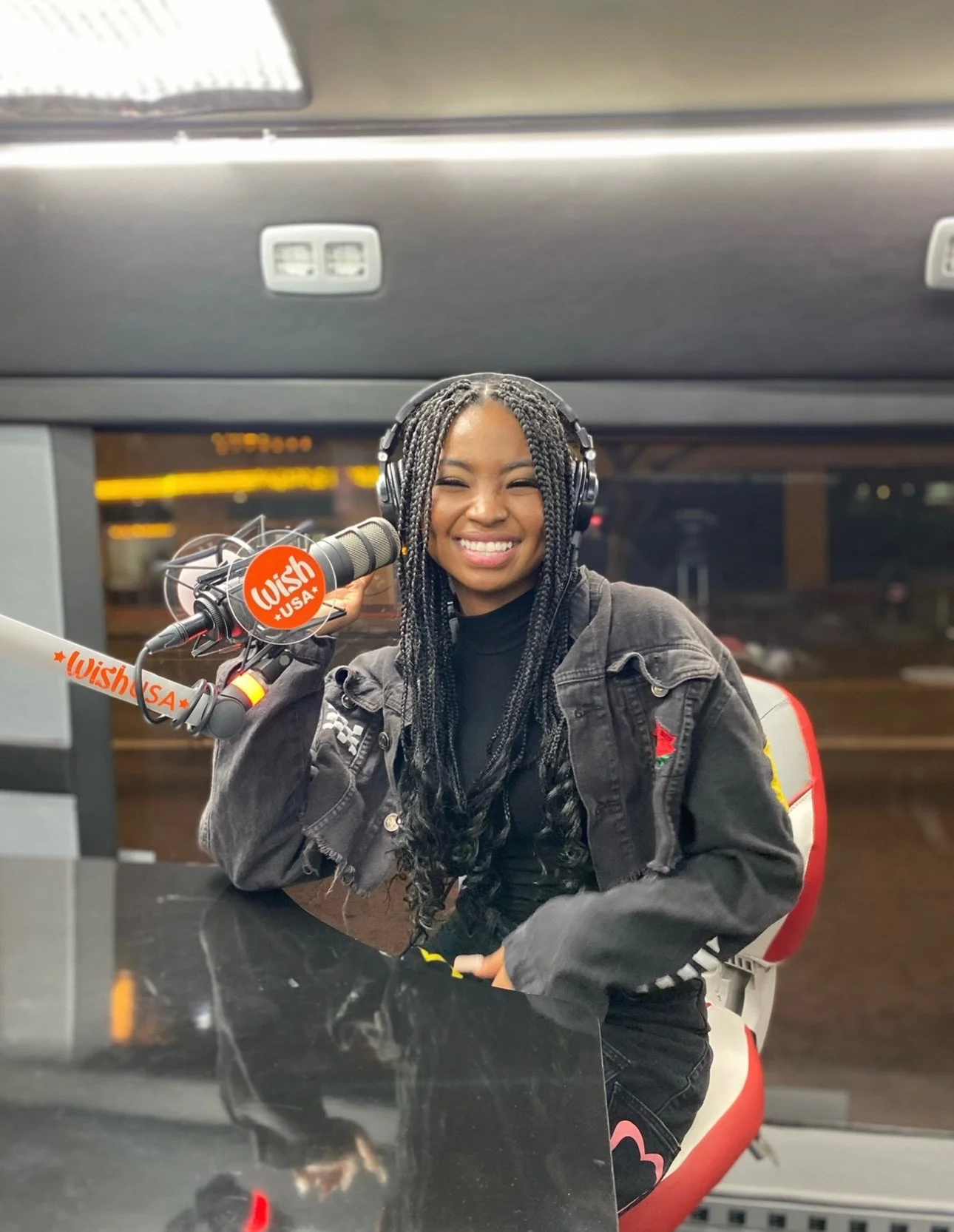
4. What was your transition like, moving from the Philippines to the United States?
Jae'roze Tate: The weather was a bigger transition than I expected. My dad is from New Jersey, but he ended up in Colorado for work. I hated the weather the most. Growing up in the Philippines, I never experienced snow. I only dreamt of having a white Christmas and making snow angels. But, when I experienced snow in real life, I hated it. I don’t like the cold. Adapting to a new environment was challenging, primarily due to the stark contrast in climate and landscape.
The transition period was incredibly liberating. For the first time, I felt free to wear my hair naturally, without the pressure to style it a certain way. In the Philippines, my mom always made sure my hair was neatly done so I wouldn't get picked on. But coming to the U.S., I finally experienced a sense of freedom and belonging. Wherever I went, no one looked at me differently. I'm Black, and there are many Black people here, so it wasn't an issue. It was so refreshing to go to school and not be the only one who looked like me.
5. What did you want to be when you grow up?
Jae'roze Tate: Since I was a kid, I knew that I wanted to go to college and be an attorney, but I also wanted to pursue a career in music. I've always had a passion for the stage. Despite my shyness, performing brings out a different side of me that I truly cherish. I wrote my first song in second grade, a moment I vividly recall, using the unique notepads from the Philippines. Writing songs is my favorite way to express not only my own emotions but also the stories of those around me. I strive to create music that resonates with universal experiences, not just my own.
When I moved here, I confided in my dad about my desire to pursue a music career. My dad, a former DJ, and I share a deep love for music, so he understood my ambition. He was instrumental in helping me launch my career. His guidance and encouragement were crucial, allowing me to start recording in a studio and understand the process of creating my own songs. Without his support, I wouldn't have been able to begin my musical journey.
For the past three years, I took a hiatus from music to focus on college. However, I've decided to step away from my studies for now to fully dedicate my time and energy to my dream of making music. This shift represents my renewed commitment to this path. I hope this provides a clear overview of who I am.
I was pursuing a double major in political science and psychology, with the goal of attending law school to earn my JD. Unfortunately, due to the high cost of tuition, I had to take a year off during my junior year and haven't yet completed my final year of undergraduate studies. Despite this setback, I'm determined to return and achieve my academic goals.
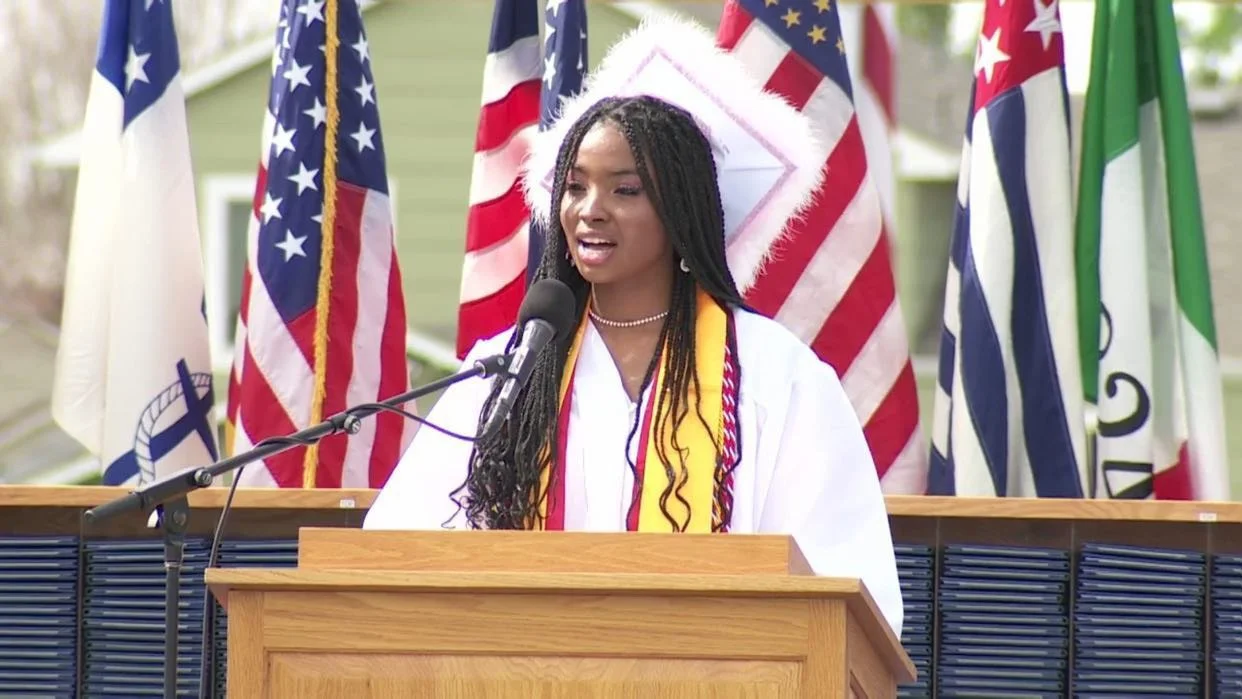
6. Tell us about your college experience at an HBCU (Historically Black Colleges and Universities).
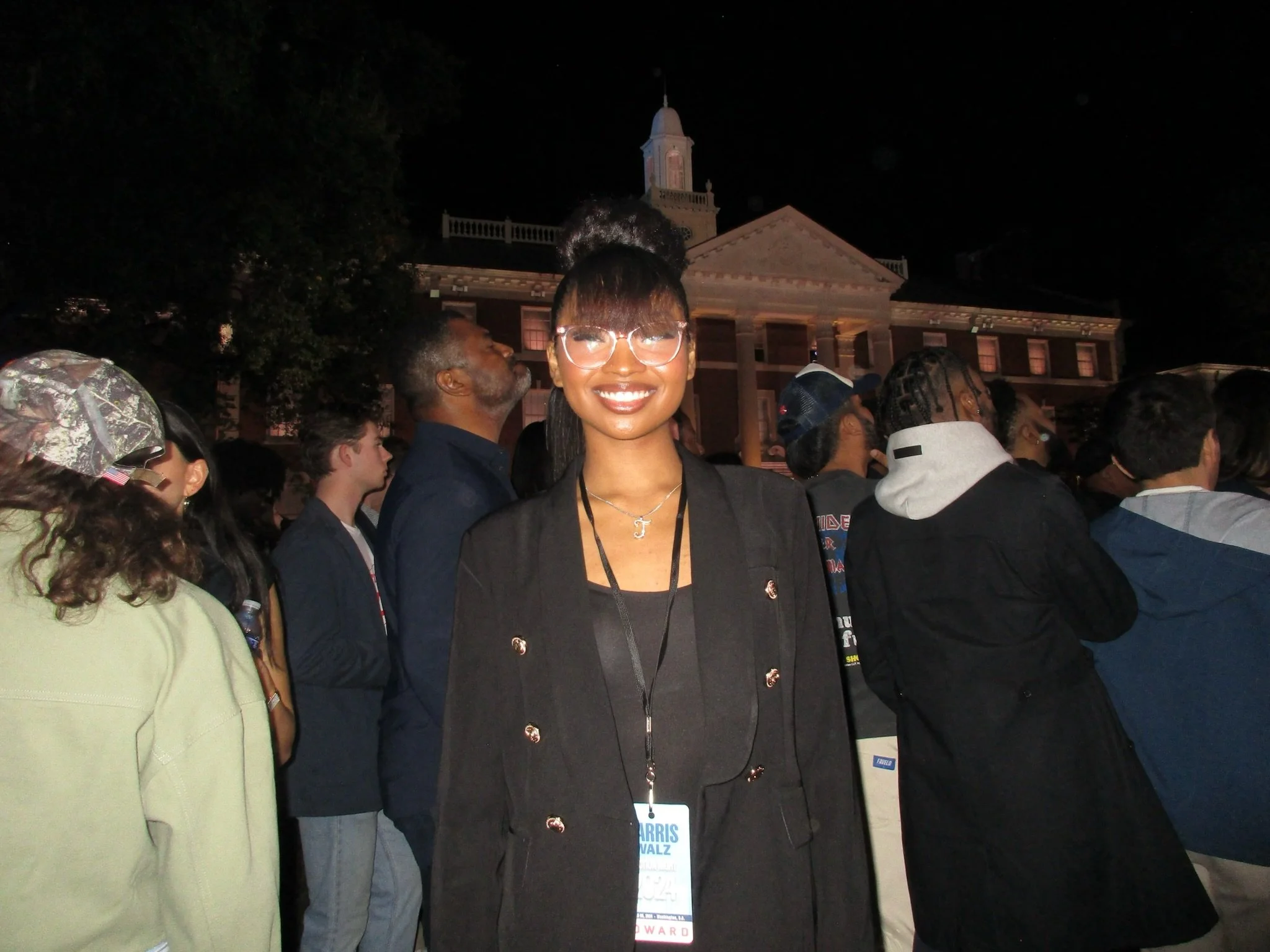
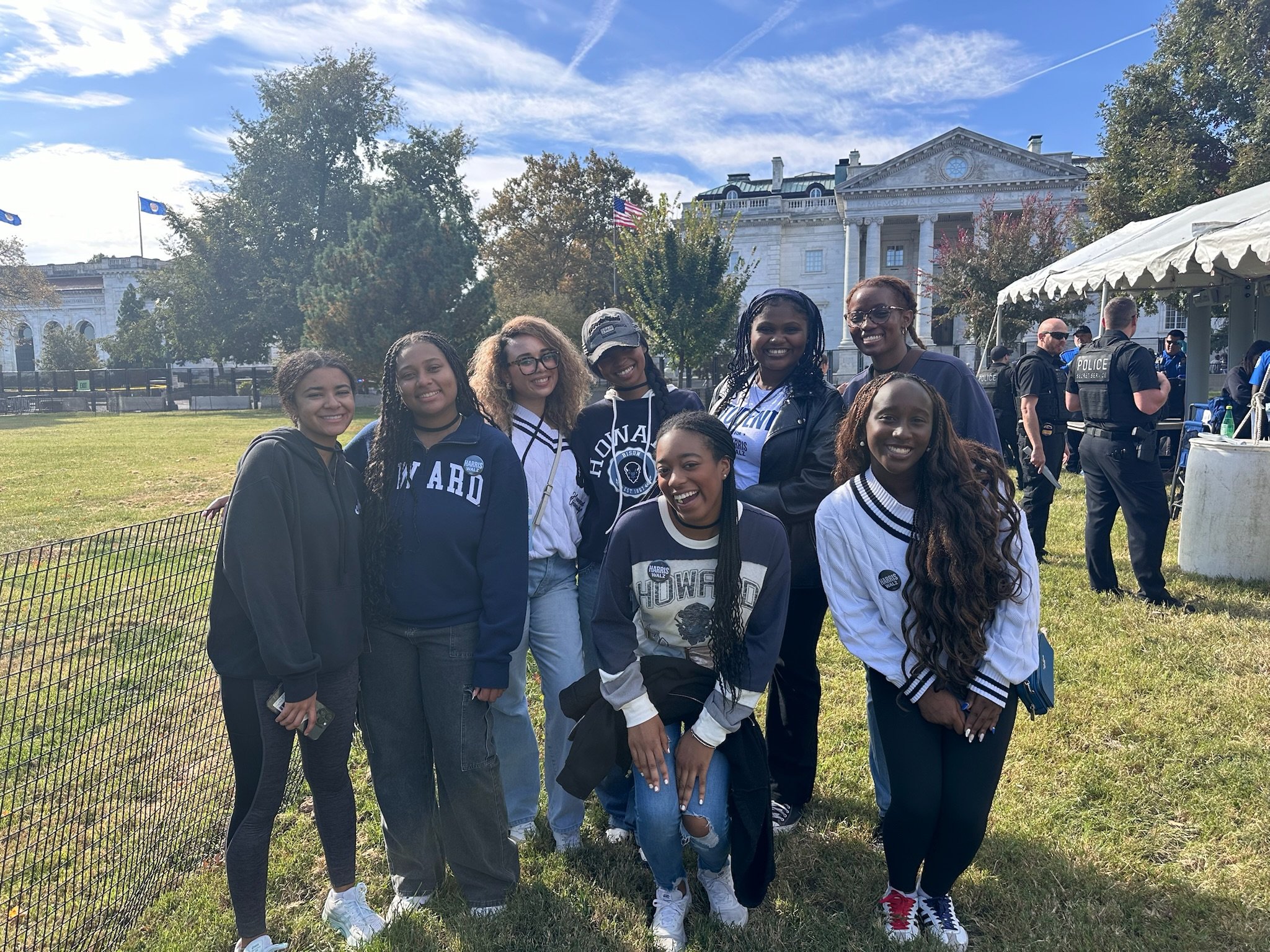
Jae'roze Tate: My time at Howard University was driven by a deep desire to connect with my Black heritage and understand Black history. As someone whose own grandmother wasn't familiar with HBCUs, I felt it was crucial to explain their origins and significance to American history and culture.
I was very active in my community and on campus. I consider myself an activist and a catalyst for change. I loved running campaigns and being involved in various community organizations. One of my proudest achievements was founding the Asian Heritage Association of Howard University. When I arrived, I was surprised there wasn't already such a group, and it became a priority to create a space for individuals like myself — those who are both Black and Asian. Unfortunately I had to leave before graduating, but I made sure this community was firmly established, and my friends on the executive board continue its work today.
I don't regret my decision, even though I could have stayed in-state, where my dad said 80% of my tuition would likely be covered through the military. Given my strong high school performance, a good scholarship was probable. But I felt a purpose, seeking something bigger than myself. That’s why I chose Howard University.
One of the greatest joys of attending Howard was being immersed in an environment of Black excellence. Surrounded by individuals destined for bright futures, I found immense beauty in seeing myself reflected in everyone. We all shared a common drive: to achieve success and break generational curses for our families. This resonated deeply with my own aspirations, confirming I was exactly where I needed to be.
Though not returning to school was difficult, I consciously shifted my focus to the future. I embraced the bittersweet realization that I couldn't alter past decisions. Moving forward, I understood that my only control lay in my actions tomorrow and how I utilized my time outside of school to work towards returning. I really want that Howard degree. I am determined to get back there.
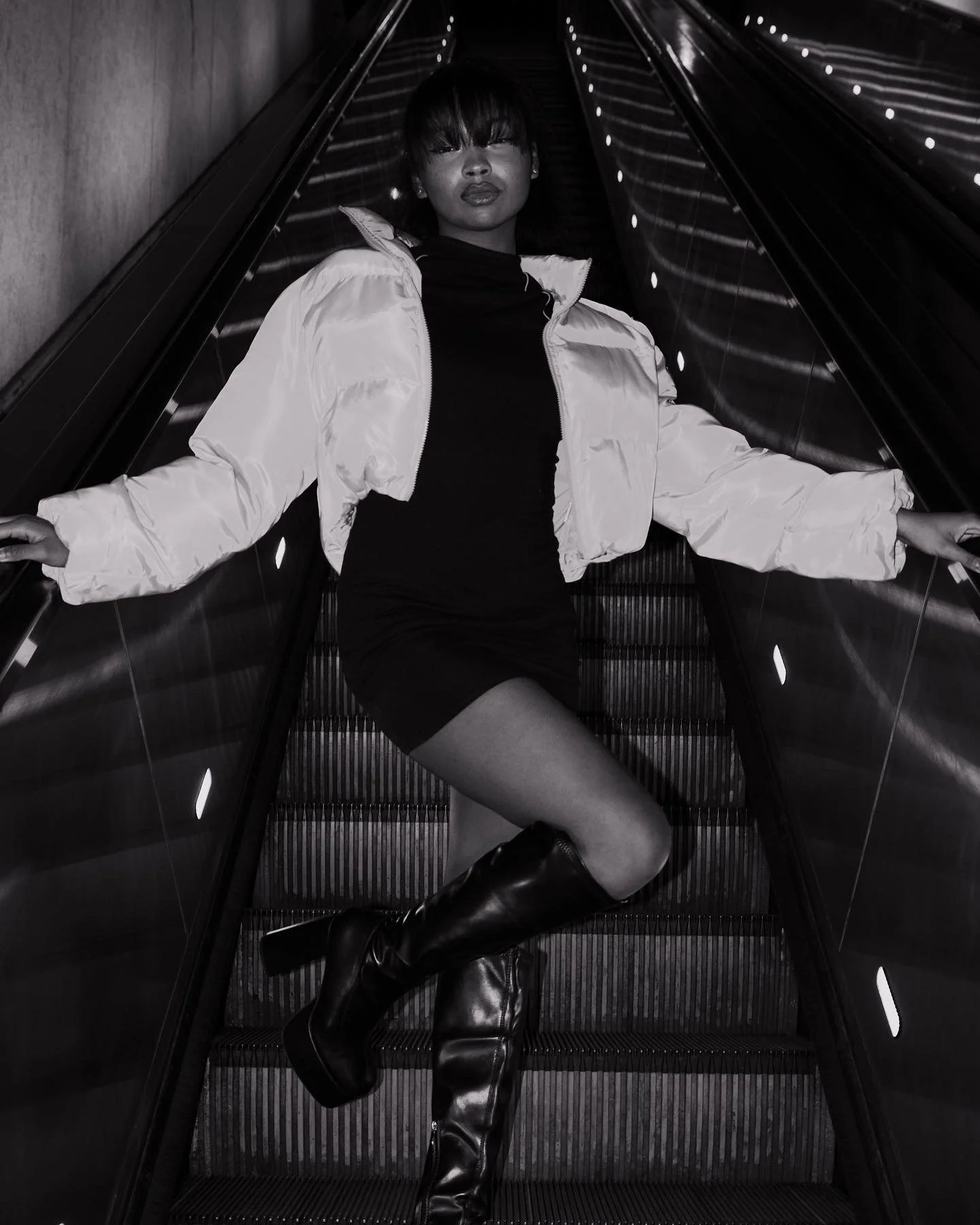
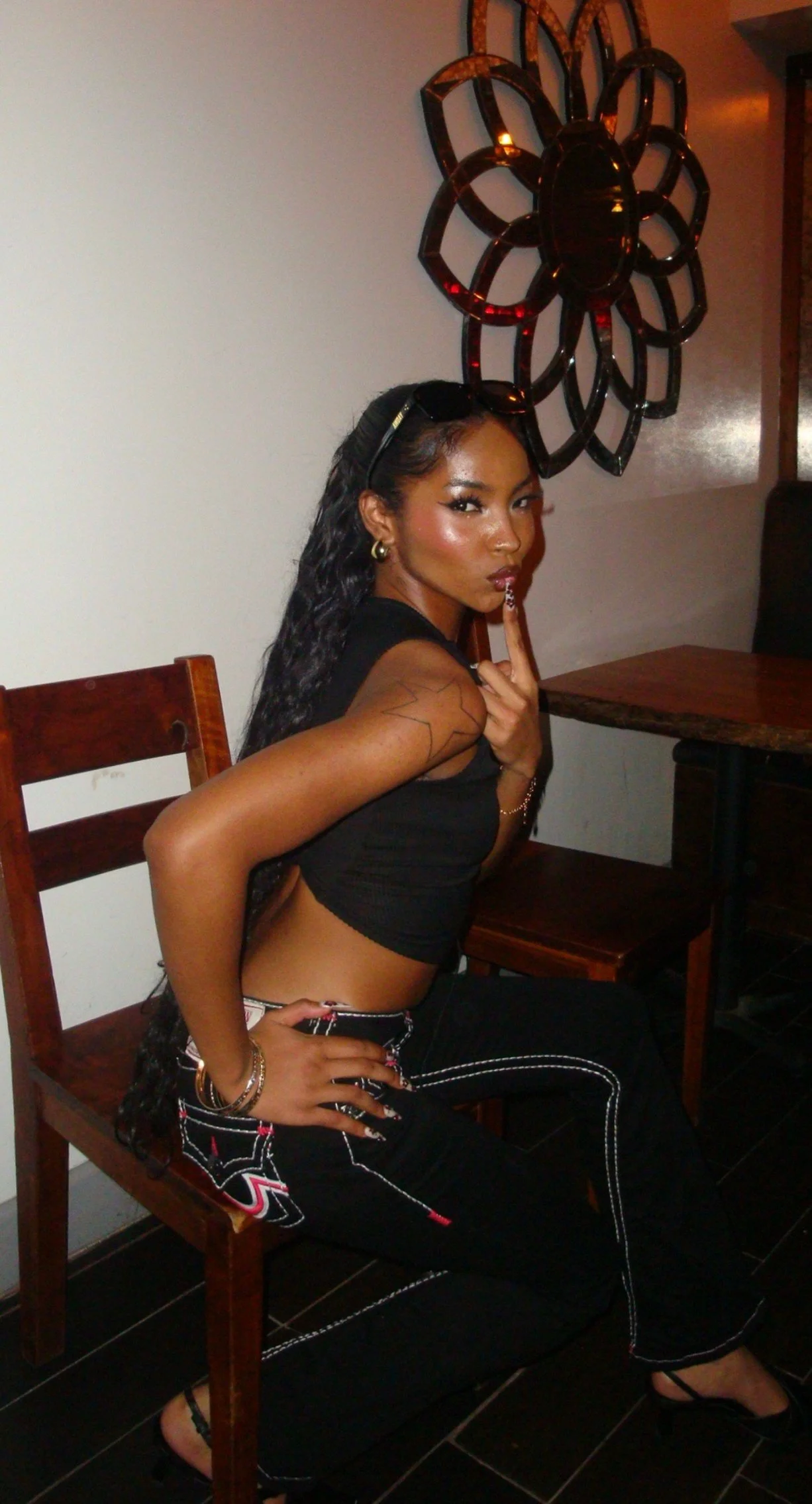
6. Let's talk about your music.
Jae'roze Tate: My debut album, Blasian, was released in 2021 during my senior year of high school and featured songs I recorded between the ages of 16 and 18. Now, I'm more critical of that past work. Blasian was an experimental album, with a variety of songs exploring different themes and experiences, ultimately serving as a period of self-exploration for me.
I want to ensure people know I speak my native language, Tagalog, and that I am Filipino. Three of my songs are in both English and Tagalog. Even as a Black woman, I will continue to discuss my identity. I advocate for Black rights within the Black community, never forgetting my Filipino heritage. I often encounter misconceptions about how I balance my identity, or accusations that I only claim my Filipino background when convenient. However, that's never been my nature.
My music delves into mental health, a subject I intimately experienced in my youth but one that remains largely unaddressed in the Philippines. This absence of open discussion can significantly hinder an individual's personal growth and future. These experiences fueled my pursuit of psychology, driven by a desire to comprehend the brain's complexities and its impact on self-perception and interpersonal relationships. This understanding proved vital to me, and it is a theme I explore in my songs. Ultimately, my creative process has been an experiment, a journey to discover a sound that resonates with me and feels authentic. My creative process has been an experimental journey, allowing me to discover an authentic sound that truly resonates with me.
7. Are you working on new music?
Jae'roze Tate: With new-found time, I am focusing solely on my music career. I realized a full-time job wouldn't be enough to save for college, especially with my continued passion for music.
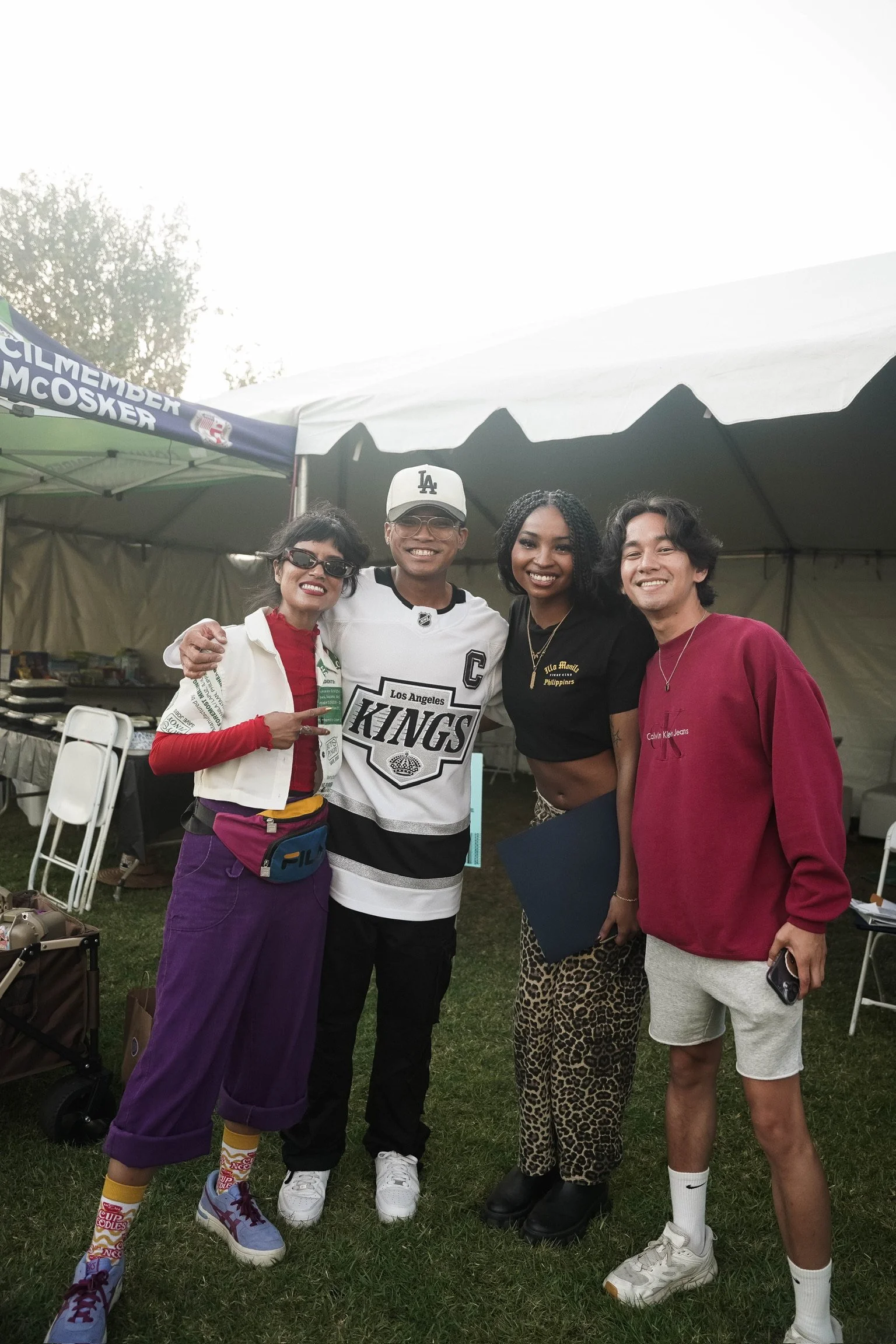
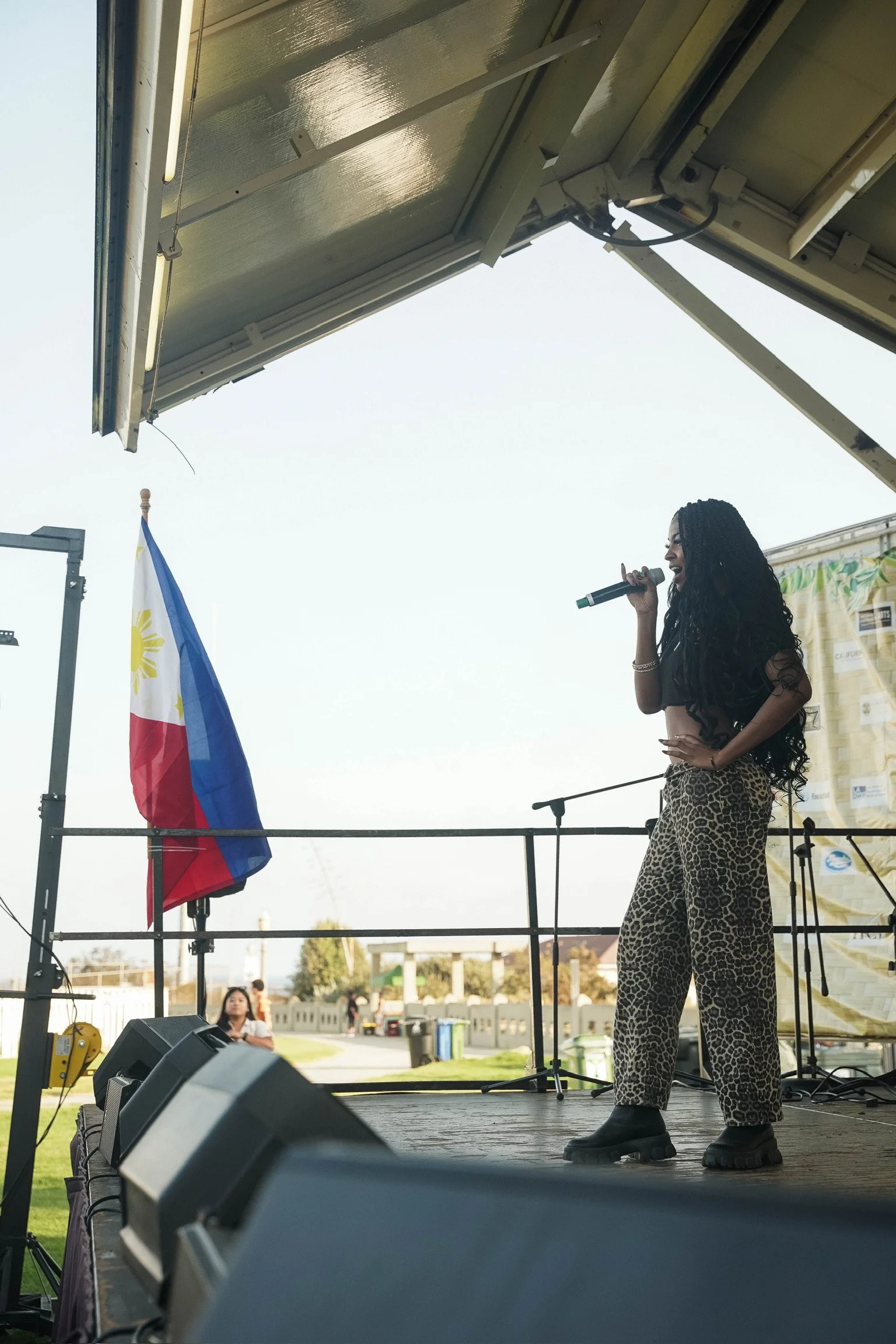
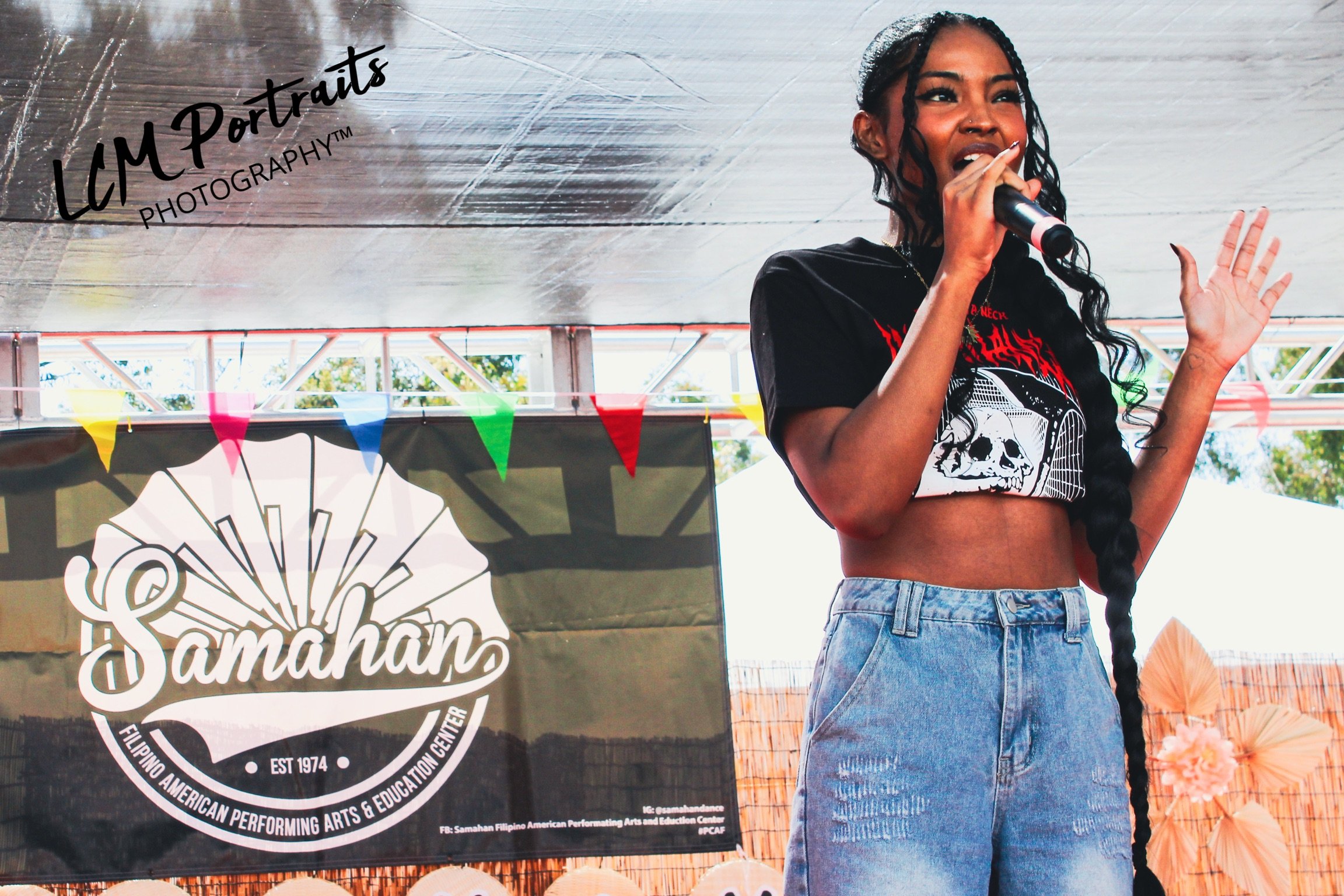
Originally, I planned to release four singles, leading up to a seven-track EP by the end of the year. But so much has changed since the summer, when I rededicated myself fully into my music. I have been able to perform at different Filipino festivals, record in different studios and work with various writers and producers. Now, I am focused more on building a new catalog and gaining more experience with recording and writing music professionally before I release new music. Ultimately, my goal is still to release new songs in the near future. This rapid release schedule is designed to make up for lost time and provide listeners with new material showcasing my growth and a more mature sound.
Over the years, I have grown – I am a new person with new messages and experiences that have shaped me. I want to share these through my songs and give people a chance to know Jae'roze. This is a new era for my music.
8. What kind of messages are you sharing on this new project?
Jae'roze Tate: My music blends Tagalog and English. I particularly enjoy exploring motivational themes in my songwriting. The creative process is my favorite part; it's all about how I want to tell a story or express an emotion. I focus on finding poetic ways to convey feelings and scenarios, often using metaphors or analogies to reflect experiences. My songs, rather than having a single topic, feel more like a story that reflects a feeling or emotion, rather than a specific scenario.
Many of my songs carry a message of overcoming challenges, a "comeback story." This stems from the struggles I've faced since I was 18: heartbreak, falling in love, regrettable mistakes, and grief. I've truly come to understand, in a bittersweet way, what my parents meant when they said I'd understand things as an adult. I've experienced loss, grief, and confusion, and these emotions are woven throughout my music. I hope people will look forward to my upcoming releases.
9. Tell us how you weaved in your family’s personal experience into your music.
Jae'roze Tate: My mom is Filipino and my dad is Black American. They met in Korea. My mom was an OFW (overseas Filipino worker) working in Korea. I was born in the Philippines and when I was really young, my mom went back to Korea to work. After that, she stayed in the Philippines to take care of me. That was the inspiration for my song Bayani, which was dedicated to OFWs around the world. I called my song Bayani because it is a very heroic thing to do for your family and for your country because I can only imagine how they feel every single day having to experience that from other people. They didn't go to school because their parents couldn't send them to school and now they're trying to figure out a way to get their kids to go to school so their kids don't have to experience that same kind of treatment. People don't talk about it enough. It's just so normalized that millions of people leave the Philippines to go overseas to work. It’s an important discussion that I wanted to contribute to. I wanted to give them an anthem that speaks about their hard work and the sacrifices and the pain that they endured.
My primary motivation for seeking success is to provide my family with a better life and a secure future. There's a prevailing sense of shame within Filipino culture that discourages open discussion about internal family struggles and hardships. I've always disagreed with this, as I believe there's no shame in facing difficulties, especially given the current economic climate. No one should feel pressured to pretend they are better off than they truly are. I've always been transparent about my experiences, including growing up in poverty. I recall walking to school with my grandmother, who would sometimes stay there to save on transportation costs and out of concern for my safety, given that some might perceive me as American.
I remind myself, no matter the struggle I experience here, it's never going to compare to the struggle that my family is still experiencing. My grandmother only completed elementary school, and my mother didn't graduate from college. This personal history made my experience at Howard, an HBCU, particularly significant. I was a vocal advocate for the unique importance of graduating from this institution, especially as it is the alma mater of the first Black and Asian Democratic presidential candidate.
For me to be able to say this, coming from where I come from and having lived the life I have, it holds profound meaning. I integrate this deeply into my advocacy, my community work, and how I present myself. To others, attending an HBCU might seem straightforward. To me, it's an opportunity to transform the lives of generations of my family who will come after me. I represent that chance, as who knows when such an opportunity will arise again.
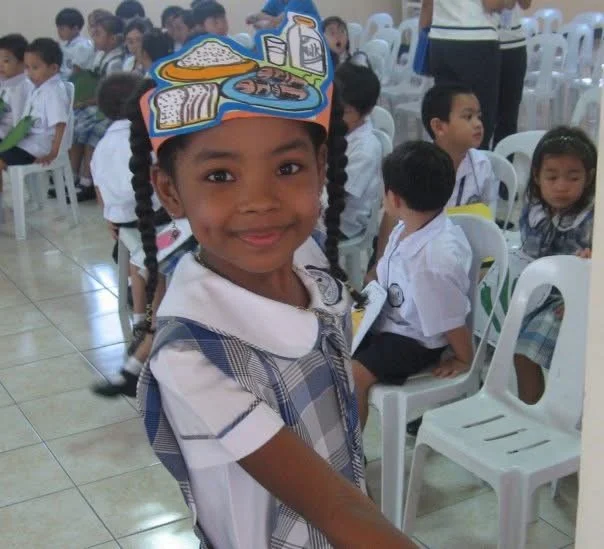
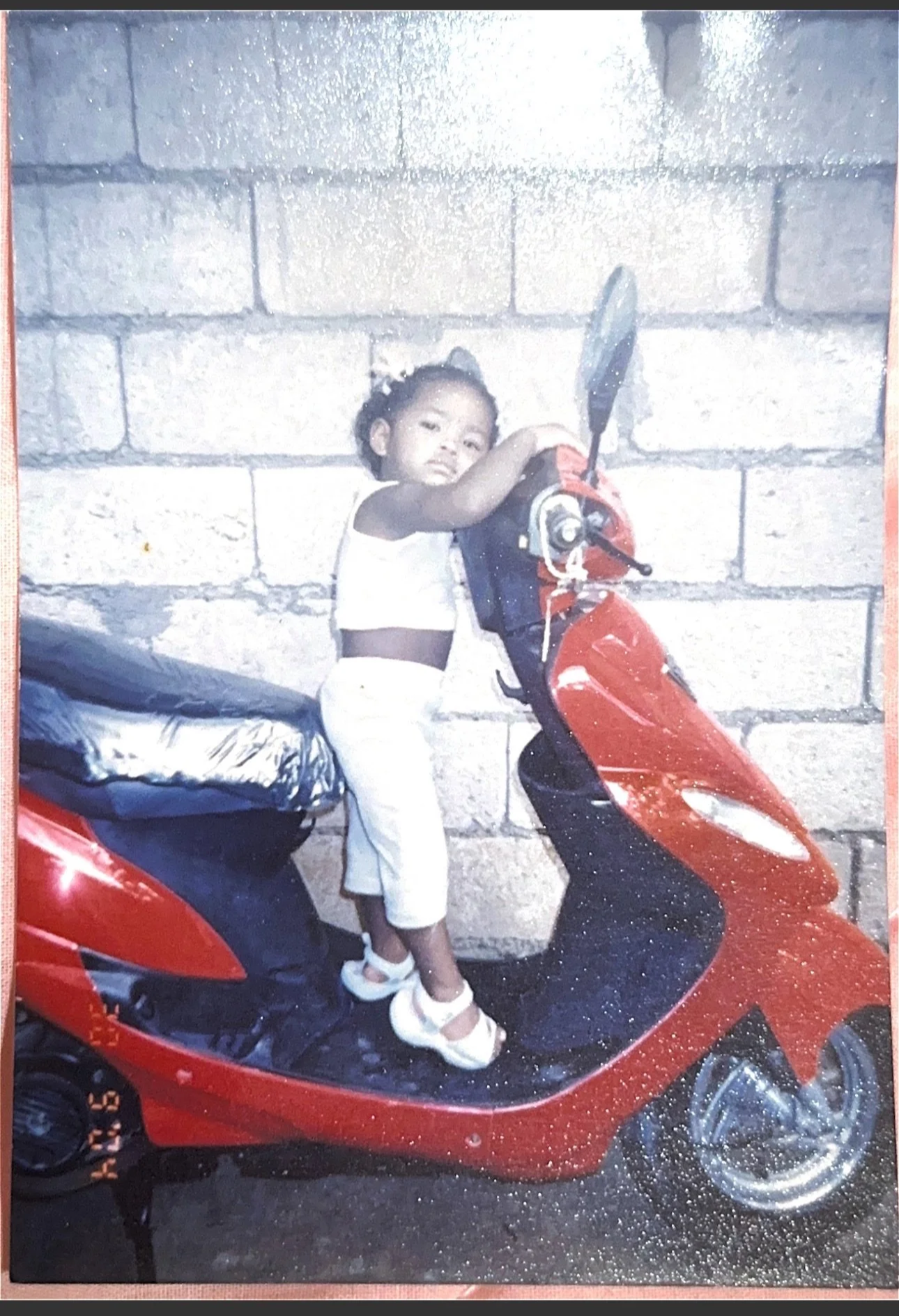
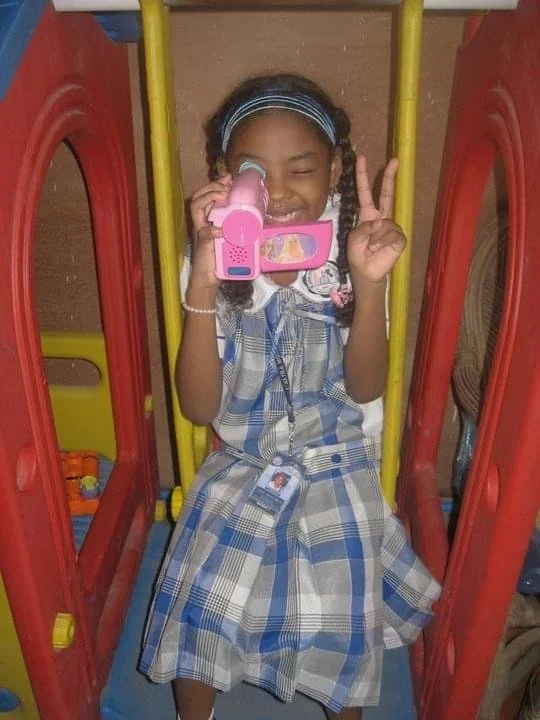
10. Do people tell you you're not “enough” — not Black enough, or not Filipino enough?
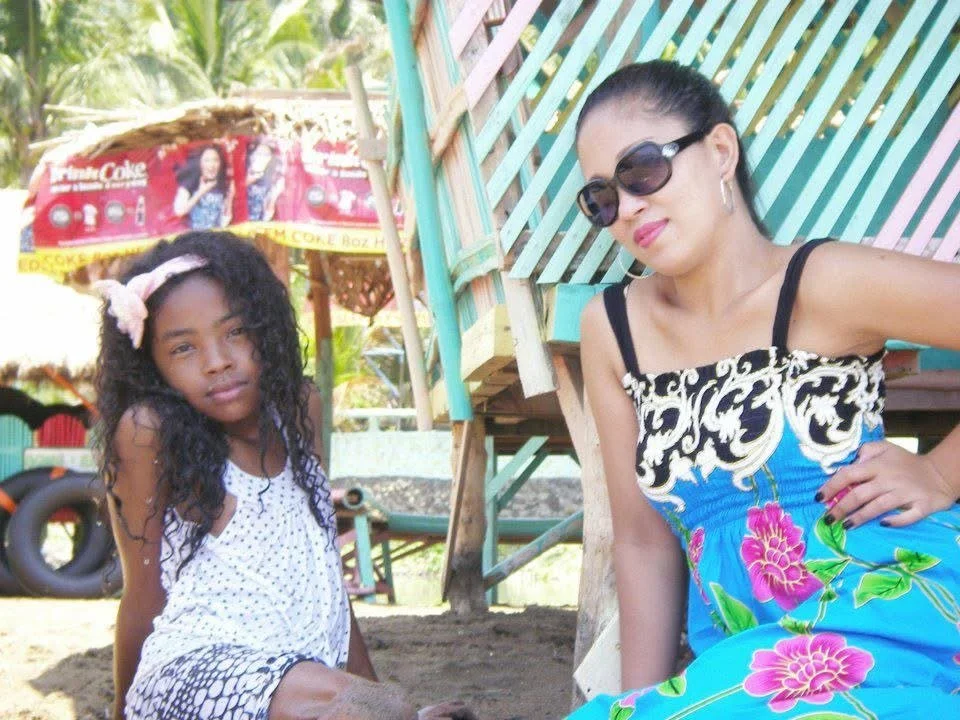
Jae'roze Tate: Instead of directly telling me, it's their actions that make me feel that way. I experienced that less in the Black community compared to the Filipino community. Growing up in the Philippines, I was the only Black girl in my entire province and every single class that I've ever had in my entire life! As the sole dark-skinned, curly-haired student in every classroom, I constantly faced pre-conceived notions and stereotypes about how I would act, think, or simply exist. I never felt "Filipino enough" among my Filipino peers.
When I started making music and sharing my songs in both English and Tagalog, my mother, like many Filipino moms, would tell me to avoid negativity and conflict. Despite her advice, I often found myself defending my heritage in the comments. People would accuse me of "Filipino baiting," questioning my authenticity, denying I wrote my own lyrics, or claiming I couldn't truly speak Tagalog. It always puzzled me why my identity was so difficult for them to accept.
It's incredibly frustrating. I grew up in the Philippines, I speak Tagalog, and yet I constantly feel the need to prove my heritage. I always feel like I have to justify my identity, even until this day. It's an ongoing battle.
Having lived in the same place for most of my life, I sometimes struggle to find new things to talk about. This often leads me to reflect on my childhood experiences, which can be confusing. However, as a Black woman, I recognize that my racial identity shapes how I am perceived and treated by others.
Having always felt a stronger connection to my Black heritage than to my Filipino heritage, even while in the Philippines, I embraced that identity because everyone perceived me as Black. I committed to understanding Black history, connecting with my ancestors, and advocating for Black rights upon my arrival in the U.S.
Since being in the U.S., I haven't encountered environments where my Blackness was questioned. My appearance, advocacy, speech, and demeanor seem to communicate it clearly. Attending an HBCU further immersed me in discussions about heritage, ethnicity, proximity to Blackness, colorism, and how these factors shape individual experiences.
During my time at an HBCU, and even when discussing my life in the Philippines, I never encountered anyone who suggested I wasn't "Black enough" to advocate for Black rights or represent Black people. I acknowledge that some might question my authenticity, pointing out that I didn't grow up in the U.S. or with the Black side of my family. They might argue that my current immersion is a recent development and not "real" for me. However, I consistently remind people that regardless of where you are in the world, you will be perceived and treated as Black, experiencing the same realities as other Black individuals globally. Consequently, I've often felt a stronger sense of belonging within the Black community than in the Filipino community.
I try not to hold their ignorance against them. I understand that a lack of education, true understanding, and perception contributes to their ignorance and the colonial mentality many still harbor, including internalized anti-Blackness. This manifests in a desire for lighter skin and a rejection of their "Morena" identity.
There are many deep-seated issues that influence how they treat me. I try to separate the individual from the broader societal and historical factors that have shaped them, as this is often all they know. This approach helps me avoid animosity. Instead, I attribute blame to the system, history, and the various reasons we find ourselves in a place where we view and treat each other this way. Even when I was in the Philippines, I definitely felt more Black than anything.
11. Who are some of your favorite rappers?
Jae'roze Tate: Nicki Minaj has profoundly influenced my journey into rap. Her Superbass and Starships era truly inspired me. Seeing her – how cool and beautiful she was, her lyrical prowess, her cadence, and her flow – made me want to pursue a career as a rapper. She has undeniably shaped rap, particularly for female MCs, in a generational way that I deeply admire and credit for sparking my own aspirations.
I listened and imitated Nicki Minaj! I would love to one day collaborate with her on a song. Nicki Minaj was a significant early inspiration, particularly her confidence and powerful persona. I admired her ability to "make waves" and saw her as a queen, which was empowering for me as a Black girl.
Lauryn Hill also really blew my mind. Her artistry showed me the kind of beautiful music I could aspire to create as a rapper. These two artists were my primary female inspirations. And I know as a political science major, I should preface this by saying that I absolutely do not agree with his political takes, but Kanye West is one of my favorite rappers. I have a tattoo on my arm that says: “I'm a star, how could I not shine.” Kanye’s level of geniusness, production, his rap and his lyrics are amazing. His work is very inspiring. I've never been able to find an artist who makes music similar to Kanye’s sound. I really appreciate his music because it helped me survive a lot of the hard times that I was going through. There is a level of artistry that I want to put into my craft once I have the budget and resources.
12.What's next? How can we support you?
Jae'roze Tate: I took a break because of college – I have been following my other dream of becoming a lawyer. But the music never truly went away. I want to make an impact on people with my songs and be a part of people's lives and their daily routines. I am truly humbled when people tell me that they played one of my songs at their wedding or that they use one of my songs as their ringtone! It really feels like a fever dream to me that there are real people in the world who were affected by the art that I put out. That really means so much to me.
I'm focused on growing as an artist and recording more songs for my catalog. I want to put out more songs so that people can hear the sound I have now and how much I’ve grown. I do have a lot of exciting things that I can't talk about yet that are coming up. I'm very very grateful for it.
13. What are some words of wisdom that you’d like to share with our readers?
Jae'roze Tate: Pay attention! I encourage people to focus on their education. I'm trying to pursue a career in the entertainment industry, but I've never not considered going to college and I've never not considered expanding my education because I know how important it is to be educated. Education is one thing that people cannot take away from you. Your material things, your house, your riches – people can take them away from you. You can lose it. Education, early literacy and instilling in kids to read and to write at an early age is extremely important – these are things that cannot be taken away from you.
Now with the rapid growth of Artificial Intelligence (AI) and how that's seeping into every part of life, it makes me fear for the future generation after me and their level of comprehension and critical thinking. Read as much as you can and question everything. Now is not the time to be complicit or silent. I want people to understand how important it is and how it really will affect the future that we get to live in tomorrow, how we act today.
15. Where can people find you?
Jae'roze Tate: At @jrozetate on Instagram and on my website.
Written by Jennifer Redondo
Co-Founder and Co-Author of In Her Purpose










When the Avengers: Doomsday one-year countdown dropped, audiences didn’t just watch. They paused, replayed, shared, and even speculated about hidden messages. A week later, the clip surpassed 14 million views, becoming a viral moment picked up across major media outlets that fueled anticipation for the next chapter of the Marvel Universe.
The countdown video was the result of a collaborative effort led by AGBO and its studio partners. Supporting the marketing team as a contracted editor was Joshua Ortiz (@joshuajortiz), a Filipino American filmmaker whose career has steadily built toward opportunities to contribute to projects of this scale, alongside earlier success with the short films he has written and directed.