

'Oakland Ilokana' film shows Filipino American family's 100-year legacy through one 'spitfire' lola
Written by Jamey V. Padojino
Elenita Makani O'Malley is taking kwentuhan, the act of storytelling, to another level through her upcoming short documentary about four generations of Filipina Americans from Oakland, California.
Oakland Ilokana captures maternal legacy and ancestral memory across 100 years through Elenita's maternal side, specifically her Lola, Marie Veronica Mendoza Rivera Yip. She was one of the first Filipinos born in Oakland at a time when there were primarily Ilokanos in the San Francisco Bay Area.
Now 90, Lola Marie is a "spitfire" of a grandmother, Elenita said. "She's occasionally crass. She's very bold but everything she says is so funny. She's really an incredibly resilient person."
The 25-minute film stemmed from informal interviews with Lola Marie in 2020, at a time when the pandemic and rise in anti-Asian hate created a sense of urgency in Elenita. She was compelled to start the conversations after noticing that her family lacked a relationship to their Filipino side. "We ate Filipino food and we were surrounded by Filipino people, but there was this void of information about anything specific about our family."
This realization led Elenita to learn from her Lola while she still had the chance. The 32-year-old began pursuing the film in full force during the spring of 2024 through a Balay Kreative Artist Grant.
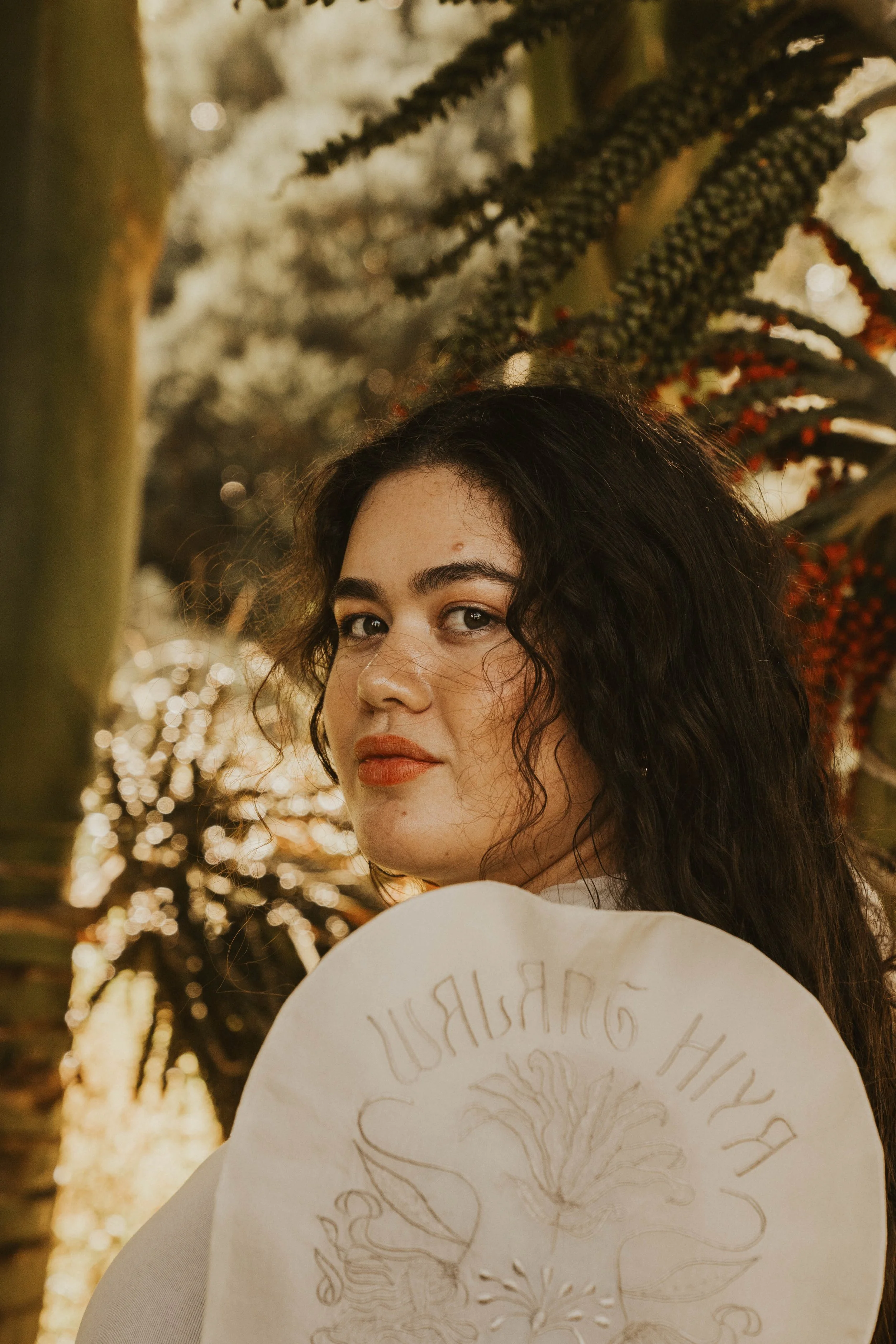
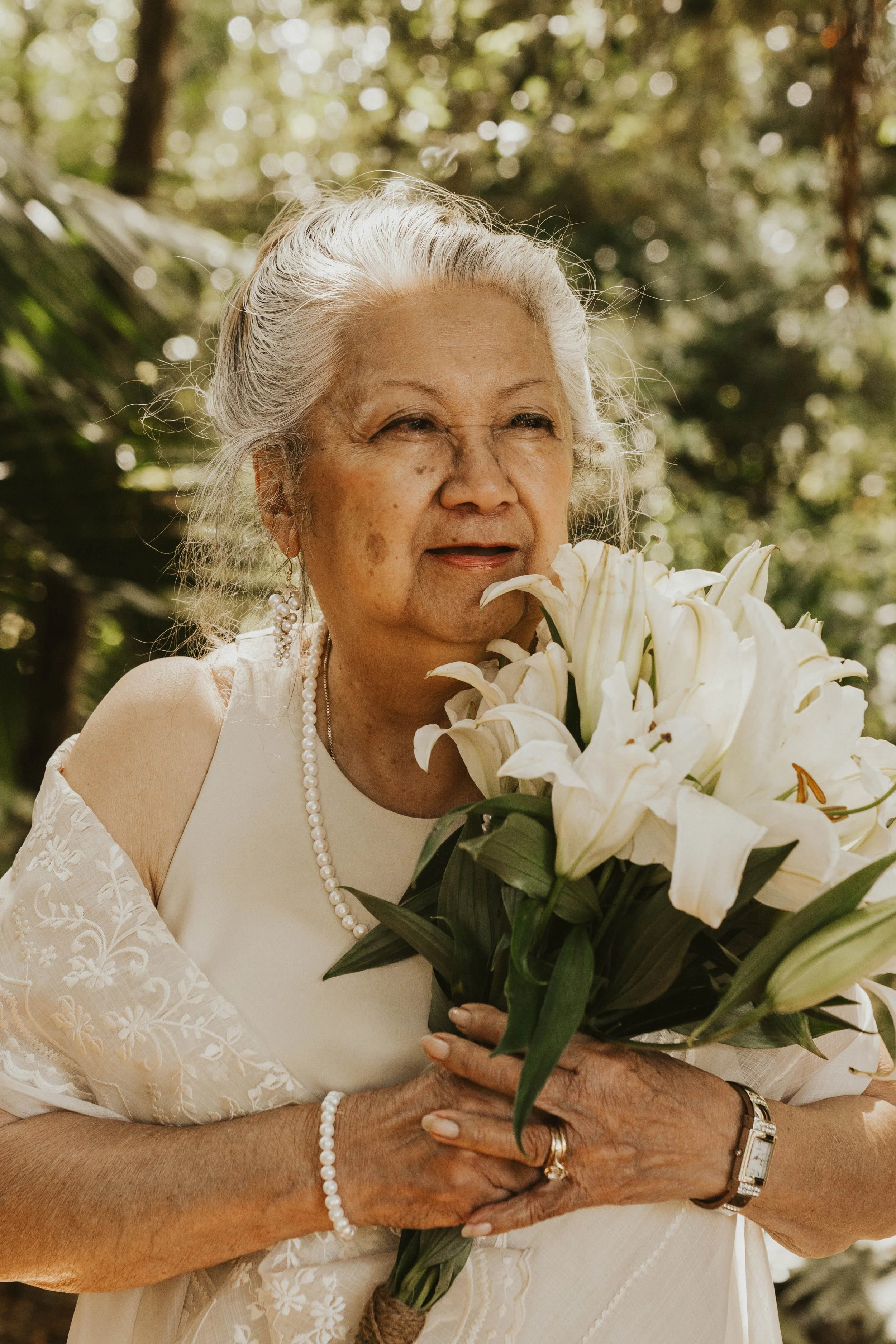
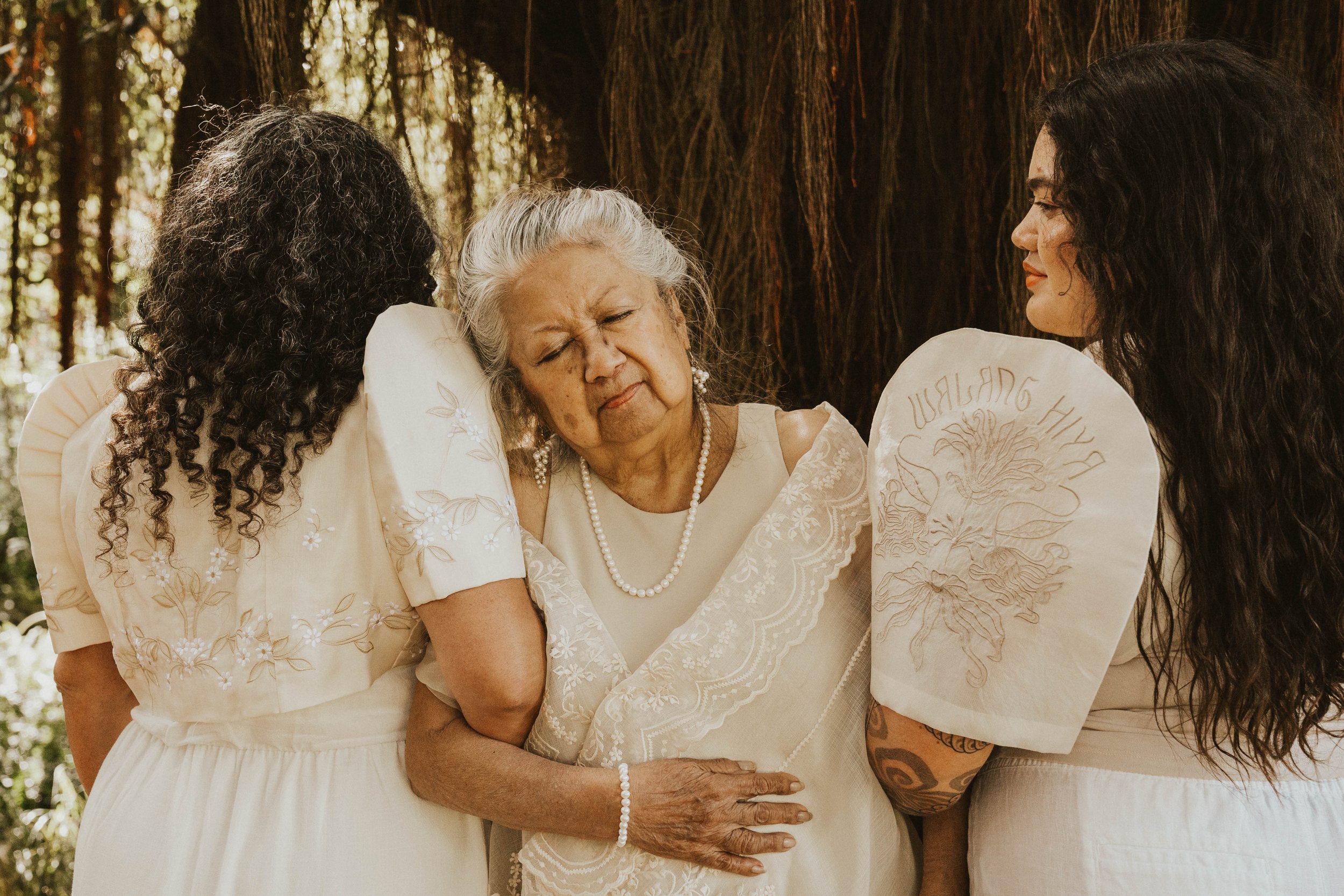
Lola Marie's mother, Maria, was a bold woman in her own right. She was one of the few women who immigrated to the U.S. in the early 1900s and had one of the first Filipino-owned small businesses in Oakland's Chinatown. Philippine Cleaners & Laundry Agency became a community center for Filipinos, with many coming from Maria's hometown of San Fernando, La Union, located within the Ilocos region. The business was a haven for Filipinos, where they could find rice and new immigrants could access resources, such as setting up bank accounts.
The film poster pays homage to the business through its depiction as a bahay kubo (Tagalog for nipa hut). "Lola's mom created community in Oakland Chinatown, by opening this business and helping people," Elenita said. "She really established the foundation of Filipino American community in Oakland."
Lola Marie was born in 1934, the same year the Philippine Independence Act was signed by President Franklin D. Roosevelt. The law set out to give the island nation independence after a 10-year transition period, reclassified Filipinos from U.S. nationals to aliens and set an annual quota of 50 Filipino immigrants. "From the moment she was born, she was cut off from the homeland and couldn't travel there," Elenita said.

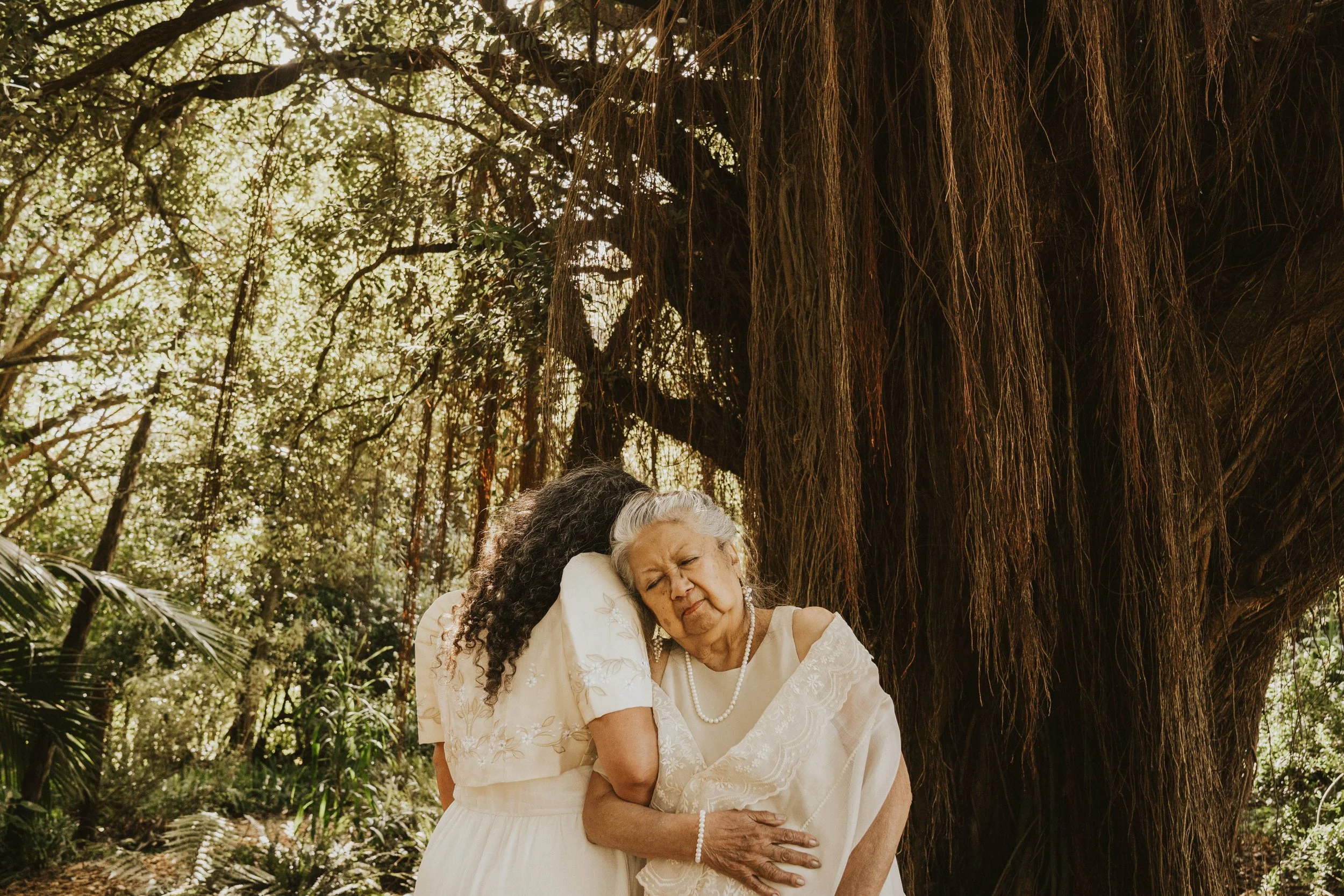
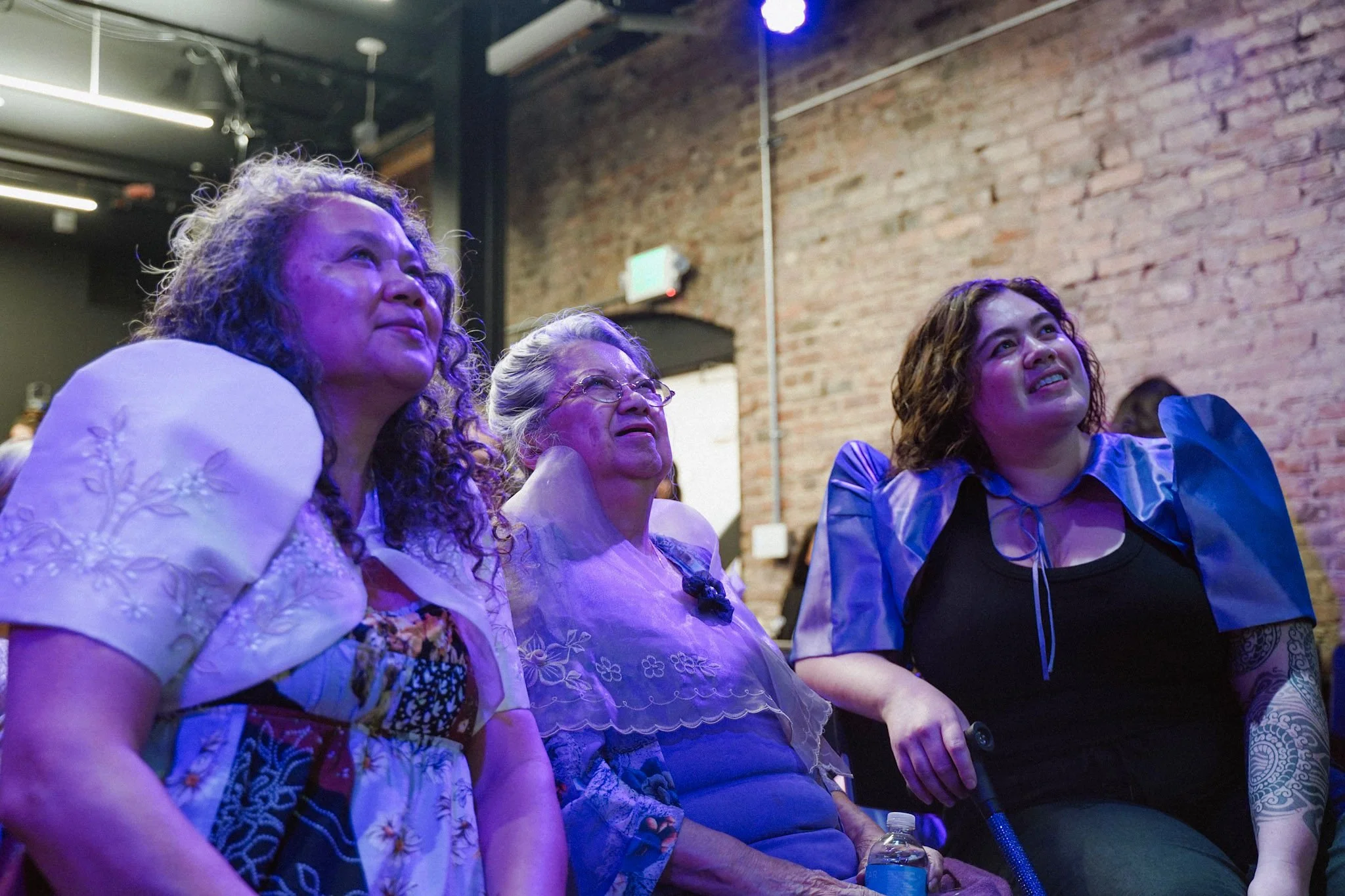

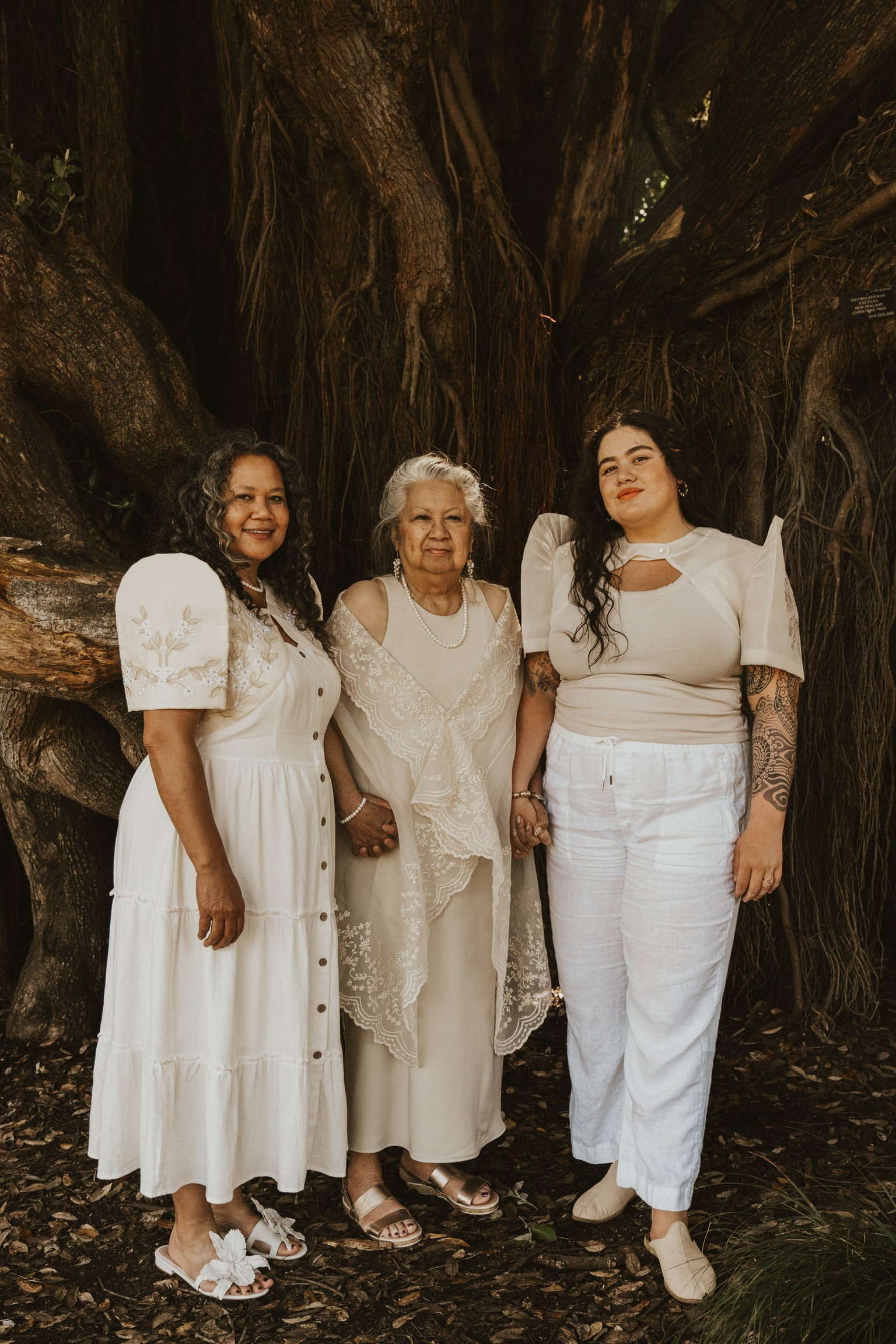
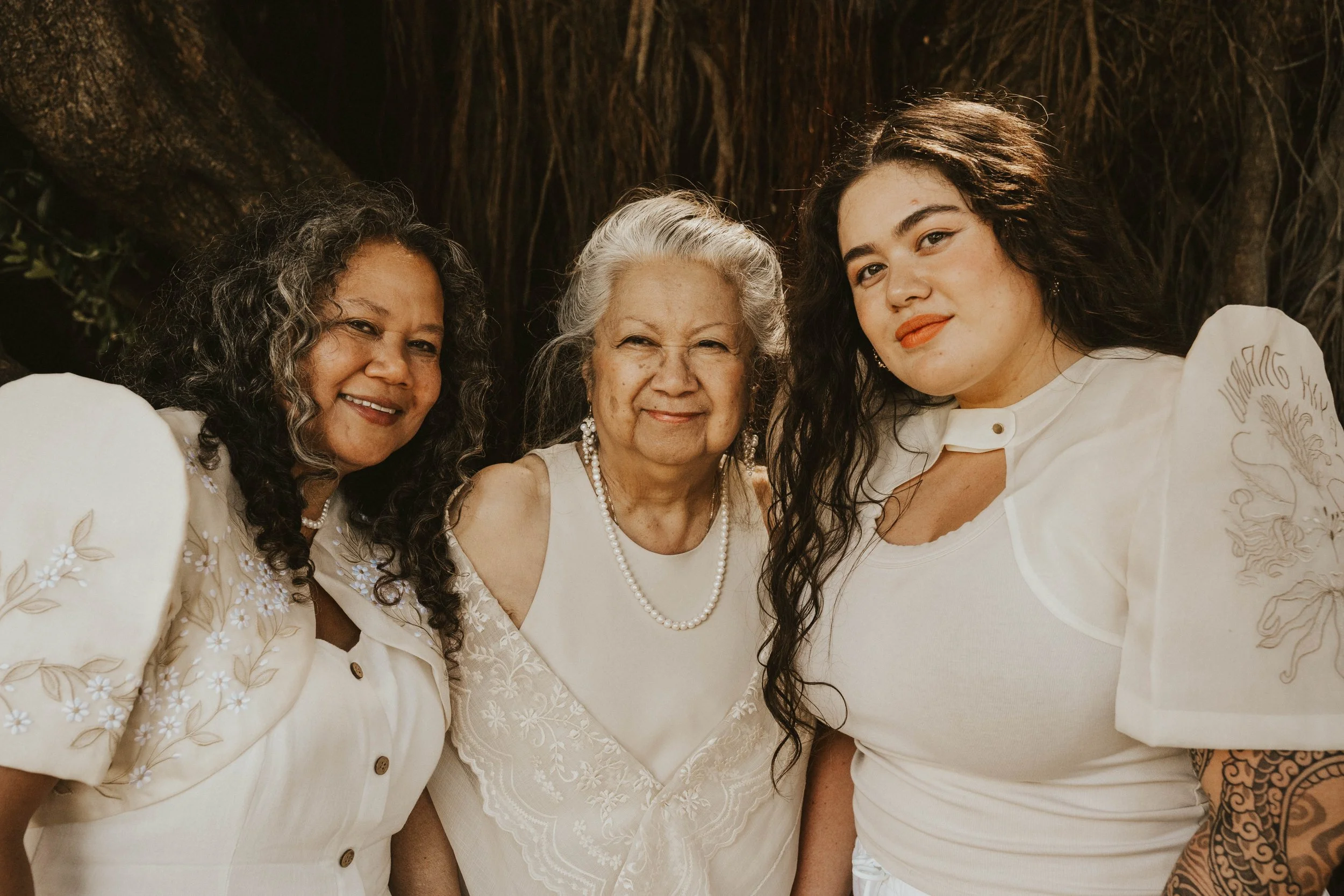
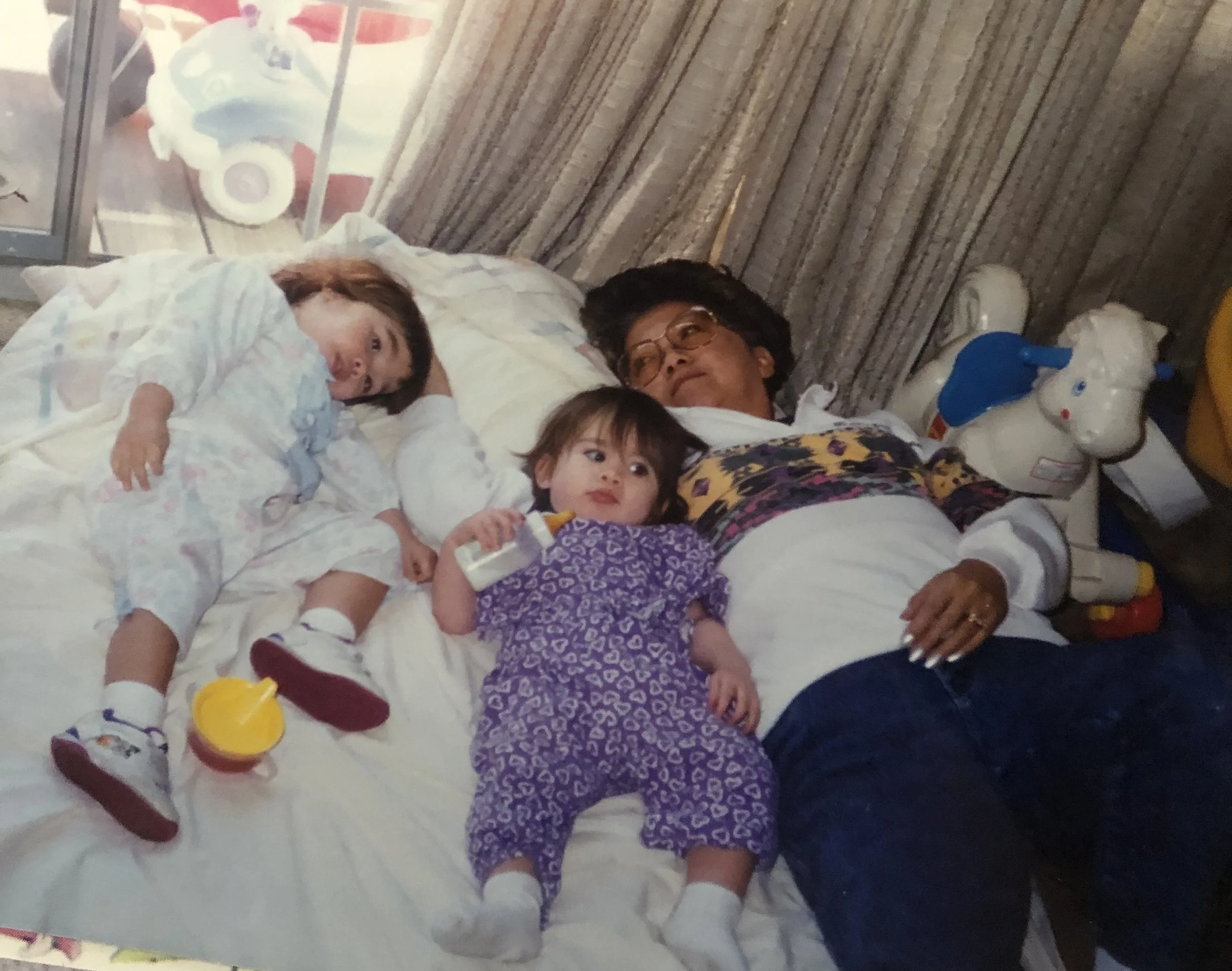
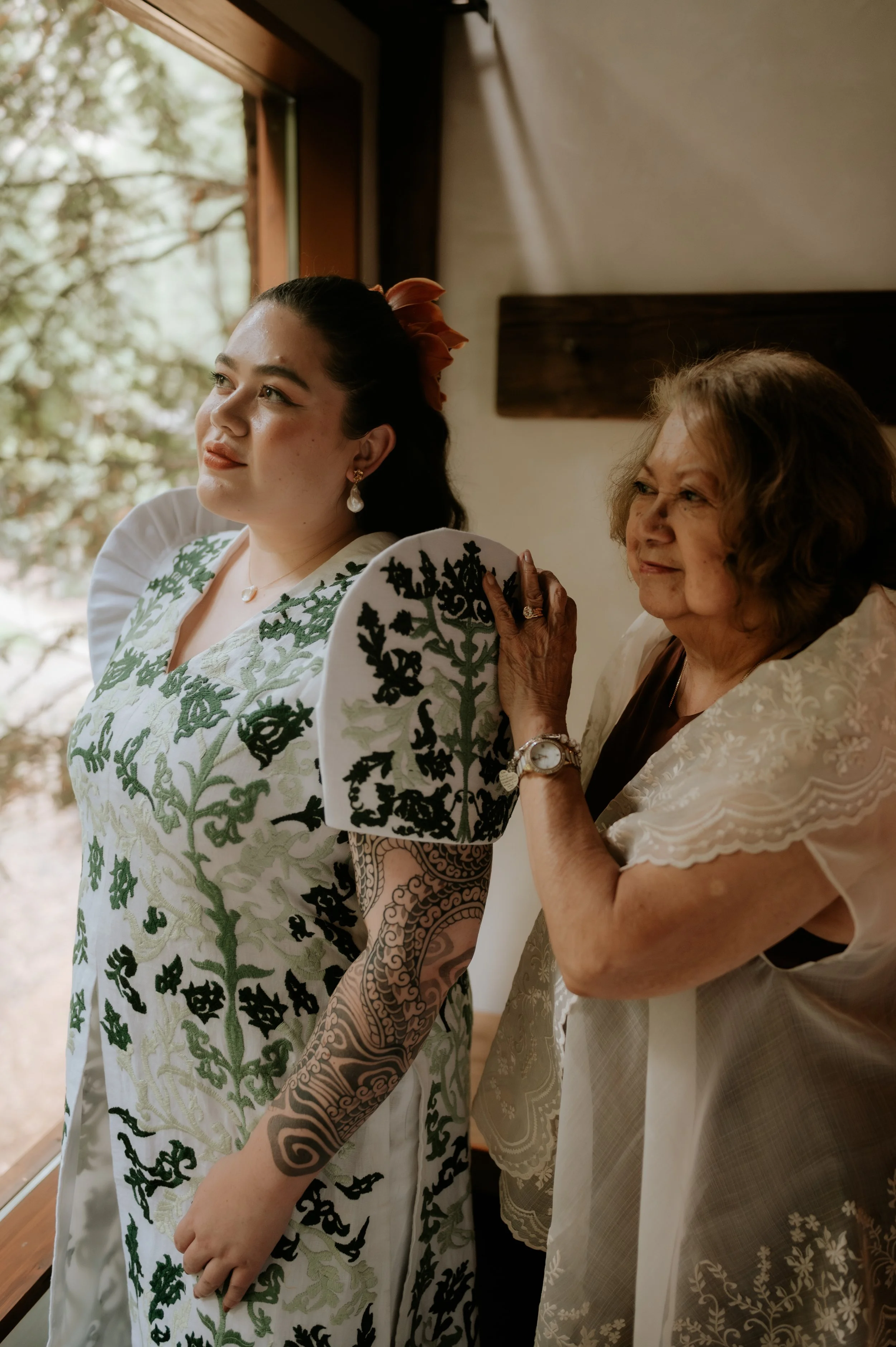
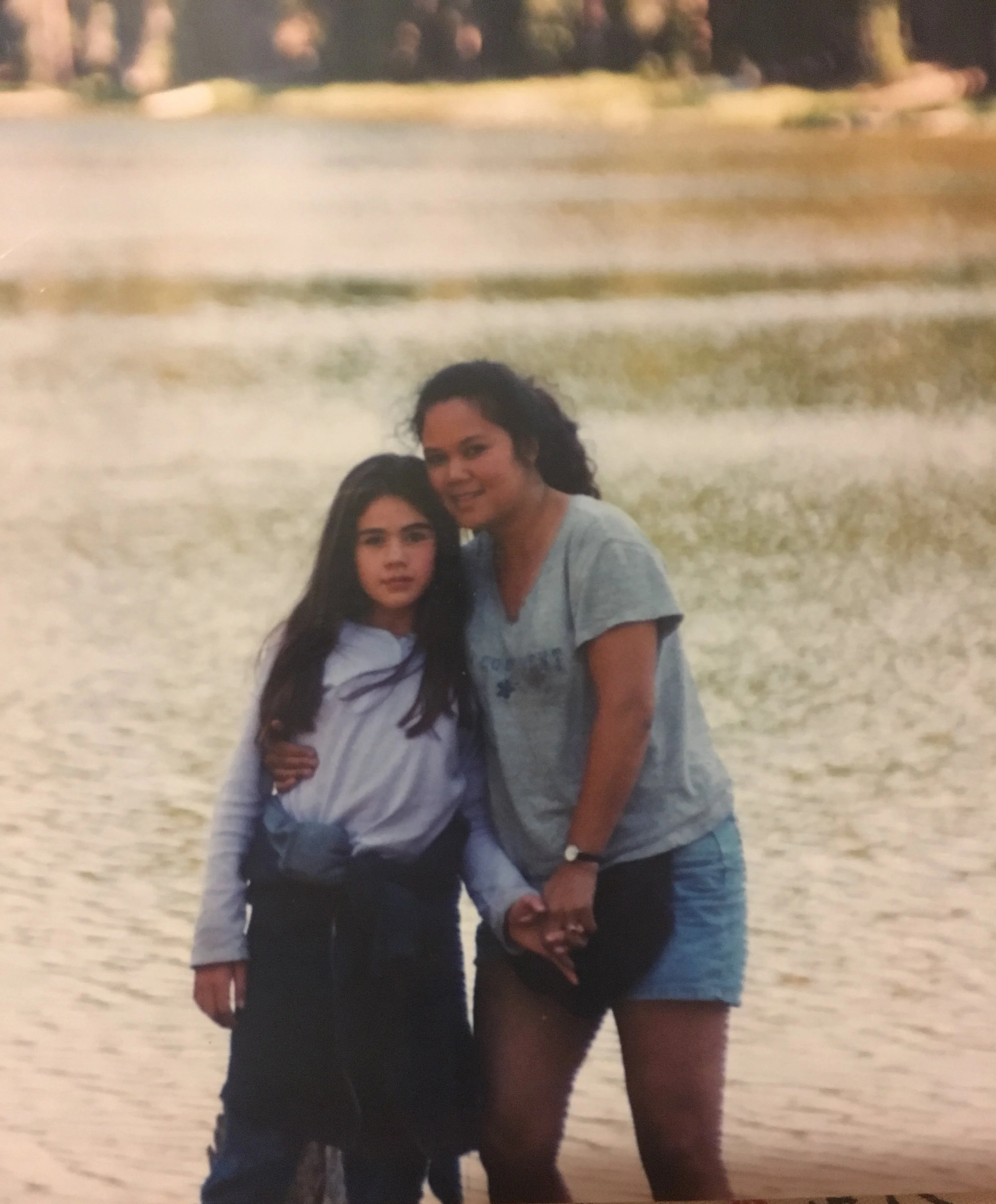
Lola Marie's life took a turn when she was about 12 years old. Her mother passed away, the business shuttered and she was soon after abandoned by her father. The film navigates her obstacles and search for belonging, both in and out of the Filipino community. "She felt very different from a lot of the other people who she grew up with in Oakland," Elenita said. "She wasn't just like everybody else who was around her. She had this other thing that was part of her identity, which was being Ilokana."
While largely set in Oakland, the film also goes to an educational taro farm in Oahu to explore the journey of Lola Marie's father, who worked on Hawaii's pineapple and sugar plantations as part of the Manong generation. For Elenita, it was a "perfect" visit where Lola said all of the right things and bonded with a taro farmer whose family also immigrated during the Manong generation. "Lola even says in the film 'I was supposed to be a farmer' while she's in the mud, which was really cute to see."
Lola Marie also visited Maryland to see her best friend, a fellow 90-year-old Ilokana who grew up in Oakland's Chinatown. The film captures the duo "bickering and reminiscing," Elenita said.
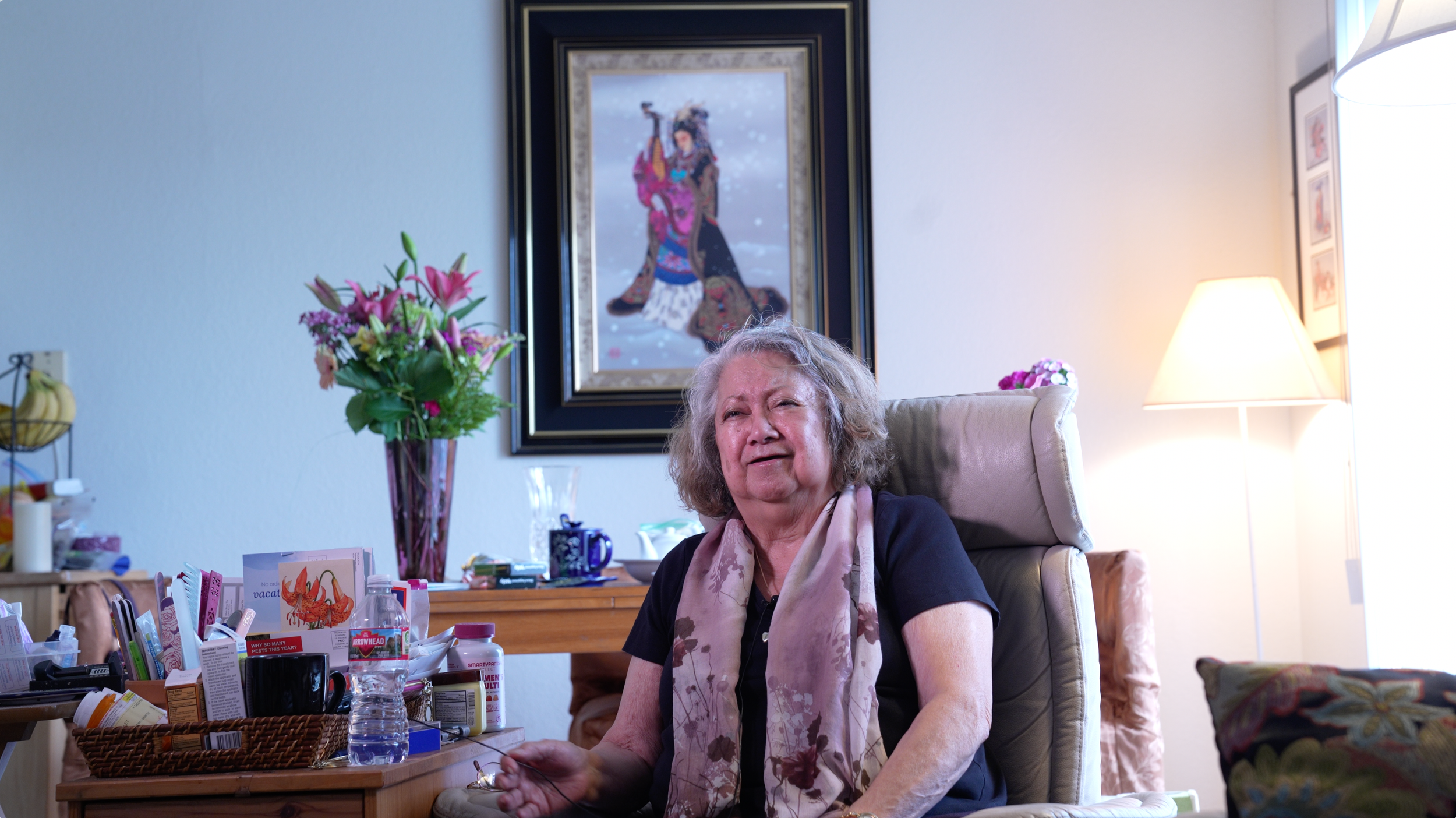

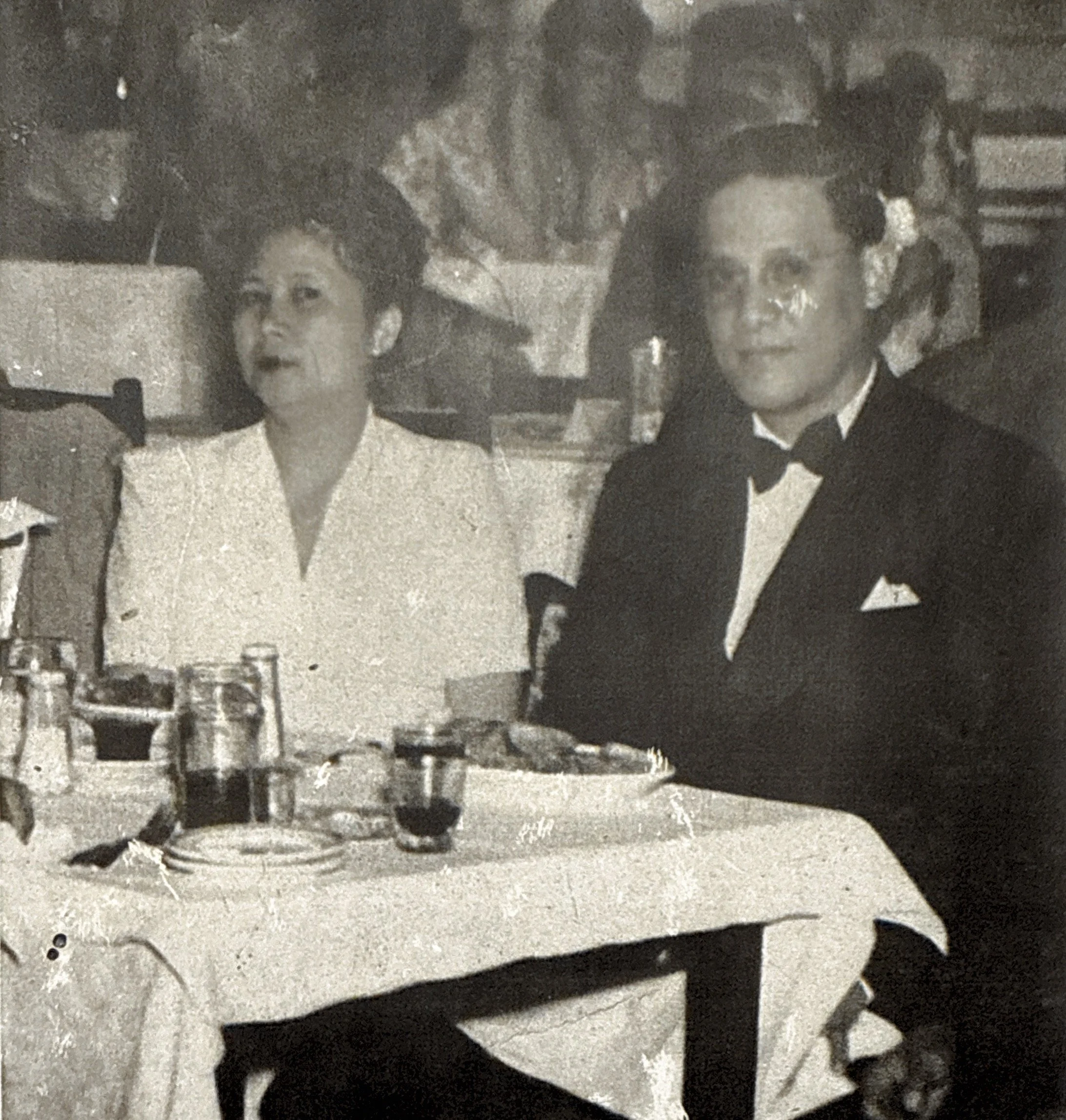


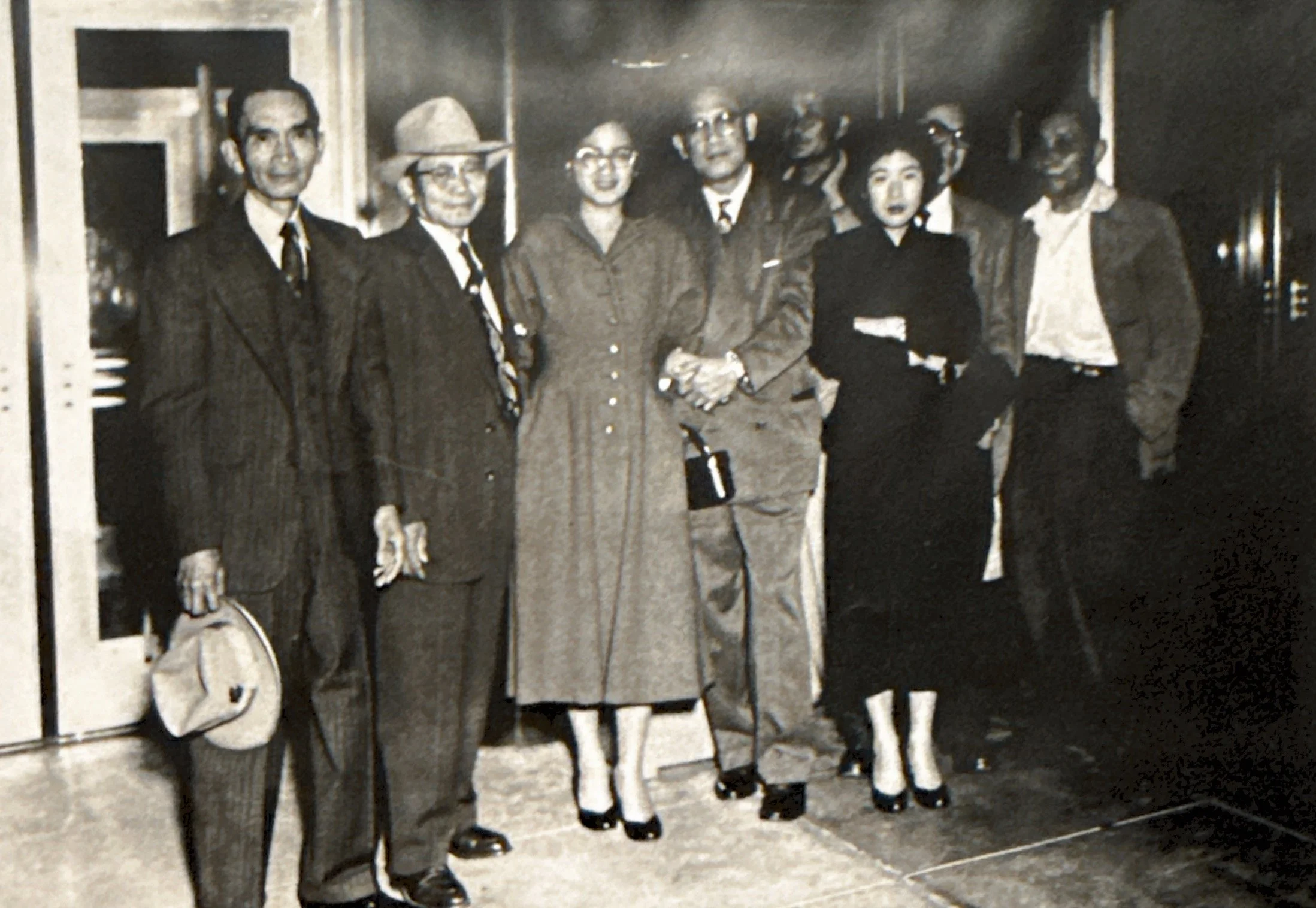
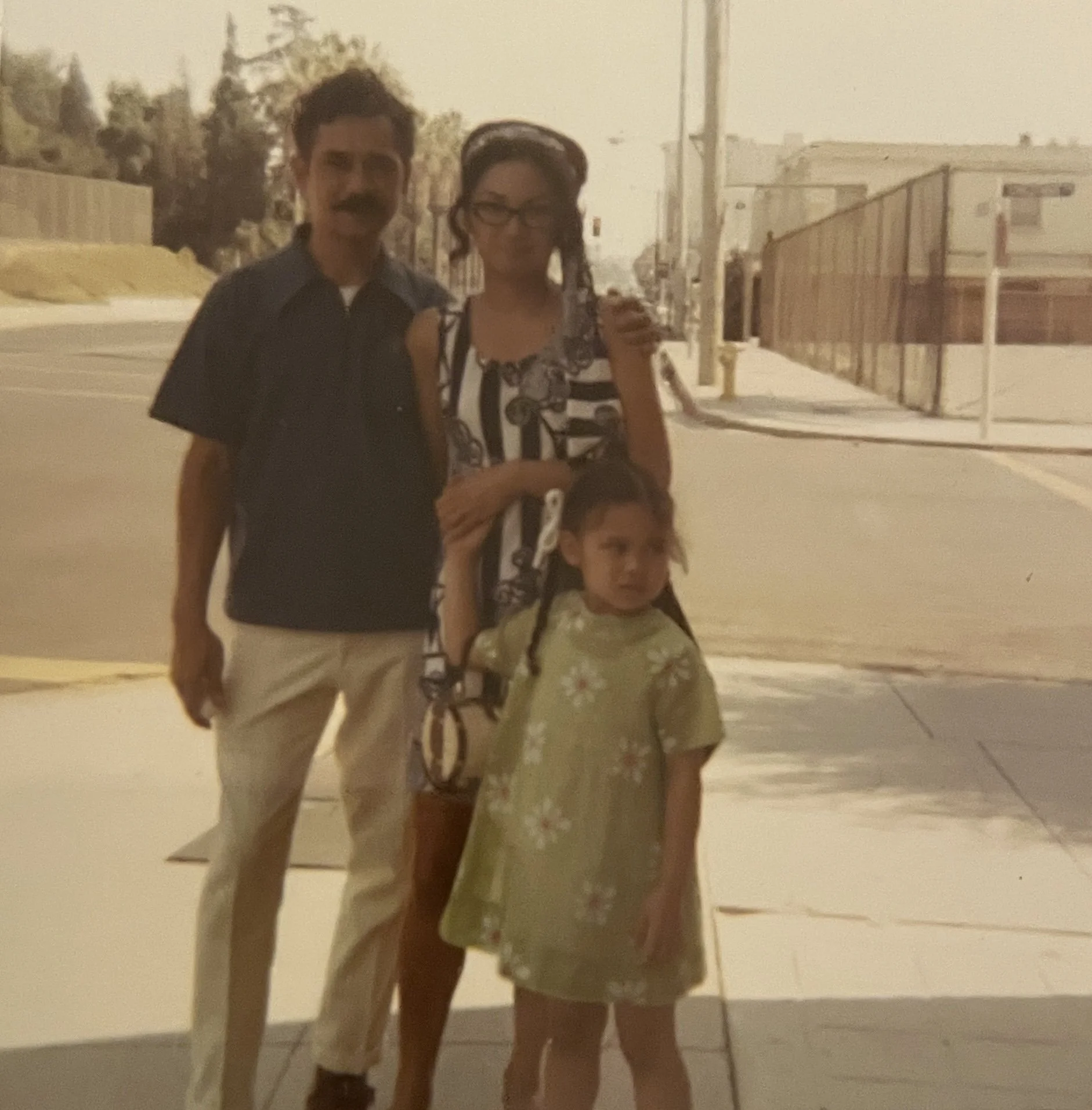
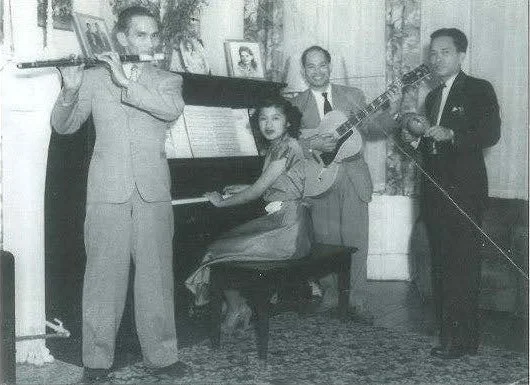
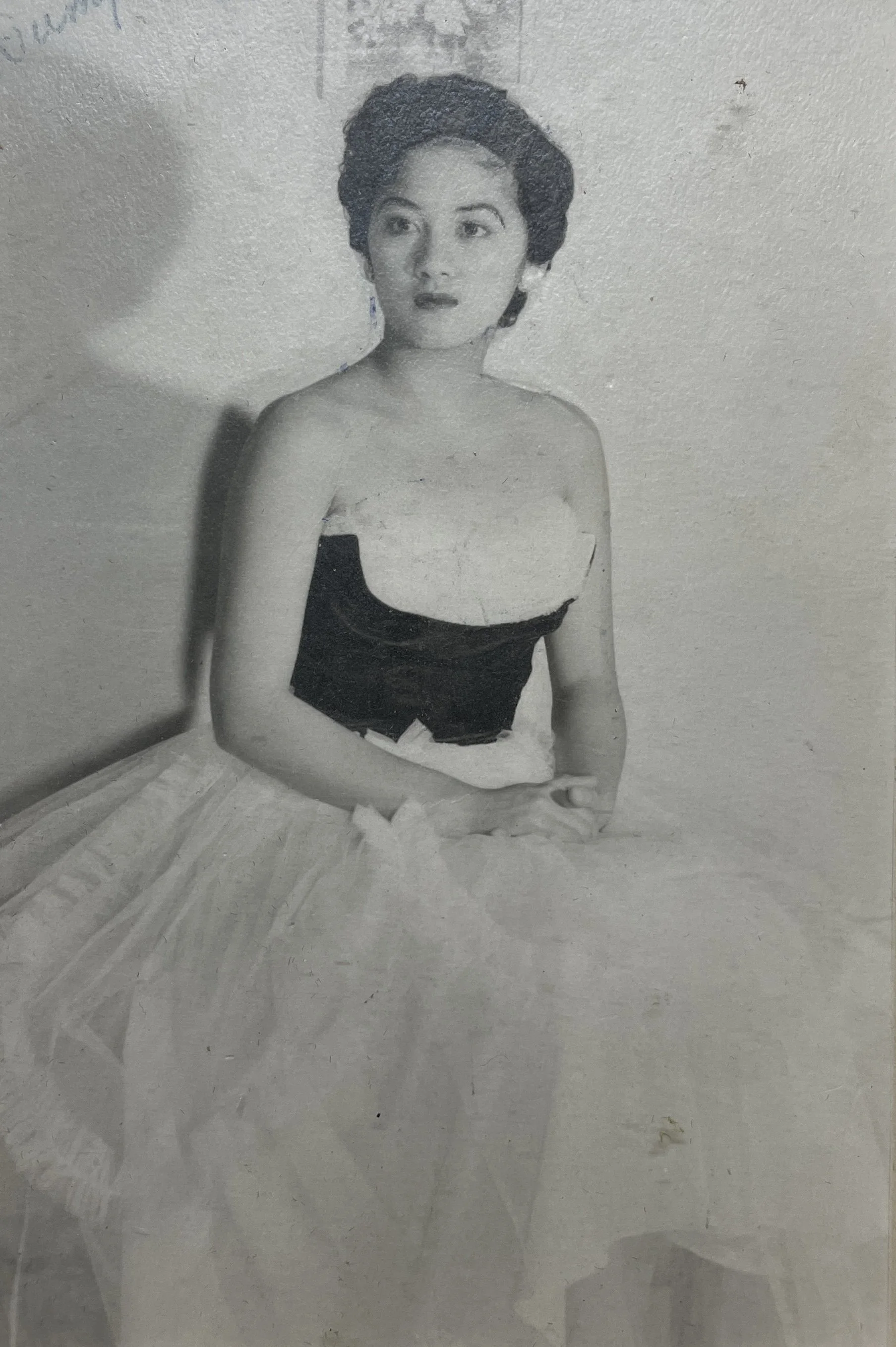
The young filmmaker hopes the film compels audiences to talk to elders in their family and community. "I think it can be really easy to be in relationship to people, but forget to really see them," Elenita said. "And we do that, especially with elders, because we sometimes think of them as fixed in their ways. …There is still something to learn from everybody around you."
For Elenita, the film was a gift to her Lola, but also to herself. "I feel a sense of identity that wasn't there before. I just was kind of floating around with no tether," she said. "And by making the film, I've found a way to root myself."
A sneak peek of Oakland Ilokana was held in San Francisco earlier this year, and Elenita used the feedback from that screening to inform the final cut, which is set to debut on Saturday, Oct. 4, 3 p.m., at the Oakland Asian Cultural Center. Another screening is scheduled at the San Leandro Public Library on Dec. 13.
Oakland Ilokana is Elenita's first documentary film and she wants to continue telling Lola Marie's story. After the upcoming Bay Area showings, she plans to hold a community screening tour and possibly apply her documentary to film festivals.
For more information, visit elenitamakani.com.
Written by Jamey V. Padojino












When the Avengers: Doomsday one-year countdown dropped, audiences didn’t just watch. They paused, replayed, shared, and even speculated about hidden messages. A week later, the clip surpassed 14 million views, becoming a viral moment picked up across major media outlets that fueled anticipation for the next chapter of the Marvel Universe.
The countdown video was the result of a collaborative effort led by AGBO and its studio partners. Supporting the marketing team as a contracted editor was Joshua Ortiz (@joshuajortiz), a Filipino American filmmaker whose career has steadily built toward opportunities to contribute to projects of this scale, alongside earlier success with the short films he has written and directed.