

Manny Pacquiao, Religion, and LGBTQ Rights | The Filipino Dilemma + Why Manny’s Comeback Isn’t Just About Boxing
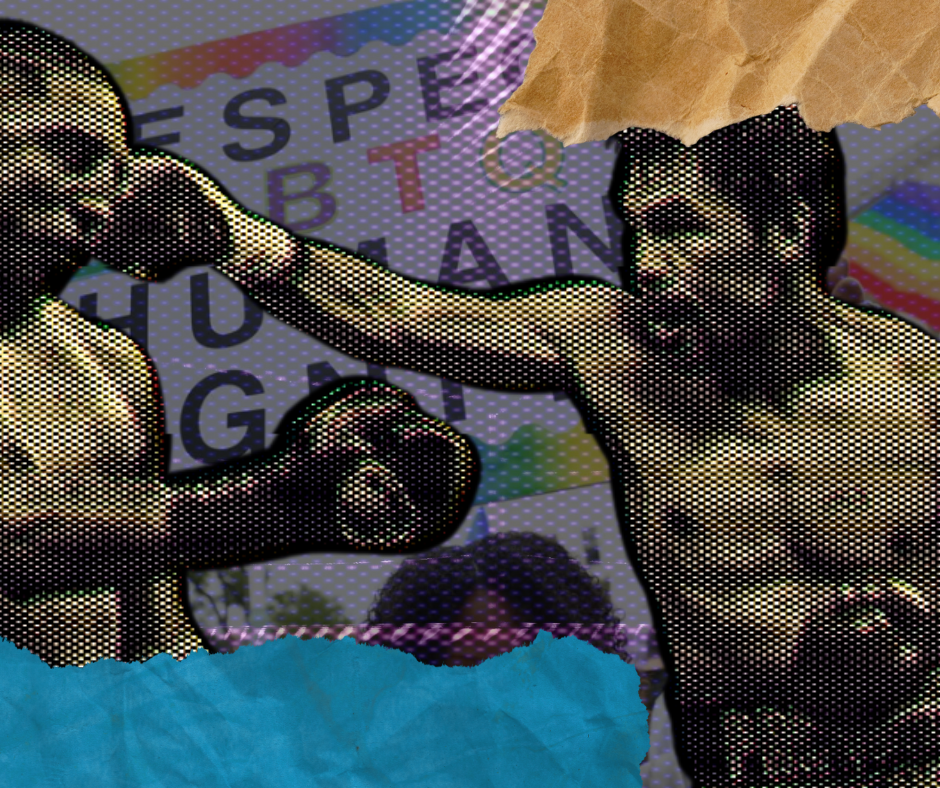
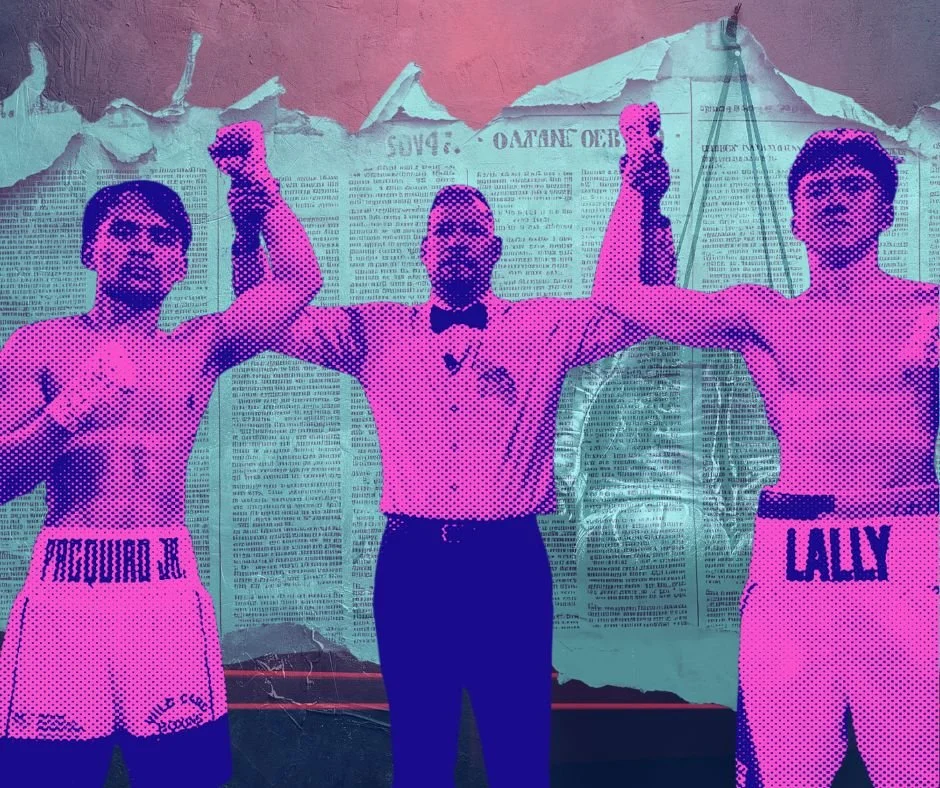
Manny Pacquiao’s return to the ring, culminating in a majority draw against current welter weight champ Mario Barrios this past July 19, 2025, while opening the door to a longer career for him than previously thought, has reignited discussions, not just about boxing, but about his past statements on the LGBTQ community. The fight itself was a demonstration of his enduring skills, stamina, and faith—reminding fans why he remains a national icon. Yet swinging left from the right hook came flashbacks to one of the most controversial episodes in his public career.
The History: “Worse Than Animals”
Back in February 2016, Pacquiao stirred global outcry after stating on Filipino TV that “people in same-sex relationships… are worse than animals”, arguing animals “know how to distinguish male from female.” His comments, steeped in religious conviction, sparked backlash—Nike dropped him, public figures like comedian Vice Ganda and MMA star Dave Bautista spoke out, and he issued an apology the same day. Despite apologizing for wording, he reaffirmed his personal belief: “I still stand on my belief that I'm against same-sex marriage because of what the Bible says, but I'm not condemning LGBT.”
What Filipinos & Filipino‑Americans Are Saying Now
In the Philippines:
A majority still oppose same-sex marriage—some polls show over 60% against it—even as support for LGBTQ rights (like anti-discrimination protections) has risen to around 55%.
Conservatives applaud Pacquiao for sticking to his Christian values and see no need to penalize him for voicing deeply-held beliefs.
Progressives and LGBTQ advocates argue his comments were dehumanizing, encouraged prejudice, and demanded accountability and cultural growth.
Among Filipino Americans:
There’s a larger polarization. Many older, more religious voices support his right to free expression and emphasis on family values.
Younger Filipino Americans—more exposed to U.S. LGBTQ acceptance—express disappointment, urging him to evolve. Some ask: “Can we celebrate his ring performance and still call out his harmful words?”
Social media has been filling with both hashtags and threads urging understanding and accountability.
Supportive Perspectives
Senator Manny Pacquiao, himself, remains unapologetic about his beliefs while expressing regret over the phrasing.
Some Filipino religious figures and conservative commentators defend his right to dissent from the “Western agenda” of marriage equality, seeing it as a stand for cultural and Biblical values.
Critical Voices
Vice Ganda, the country’s top LGBTQ comedian, demanded public apology and awareness of the power idols hold. Pacquiao has never directly engaged him since.
Nike set a notable precedent by cutting ties over perceived hate speech.
Many LGBTQ advocates, plus American civil-rights-oriented voices, say big personalities must be held to evolving standards of respect and inclusion.
But Wait, Hasn’t Manny Tried to Make It Right?
After the firestorm in 2016, Pacquiao did issue a public apology—not for his beliefs, but for the hurt his words caused. On Instagram, he wrote: “I'm sorry for comparing homosexuals to animals. Please forgive me for those I’ve hurt. God bless you all.”
Still, he remained firm in opposing same-sex marriage, reiterating that he was simply voicing what the Bible teaches. In later interviews, Pacquiao said he does not hate LGBTQ individuals and supports their rights as fellow citizens. He’s emphasized that he respects all people, and has called for kindness—even amid differences.
But to many, his apology fell short. Critics point out he never directly engaged with LGBTQ leaders, nor has he used his platform to advocate for protections or support for the queer community. For others, the fact that he did apologize at all, in a culture where public figures rarely walk anything back, is a small but meaningful gesture.
Whether that effort is enough for redemption—or simply a media bandage—is still up for debate.
So amid global movements for LGBTQ rights, society is asking: Can we separate the athlete from the person?
Yes: We can celebrate greatness—his unmatched boxing skill, his role as a Filipino national treasure—without erasing different beliefs.
No: As a public figure influence millions, Pacquiao’s words carried weight—harmful tropes shouldn’t be ignored or excused today.
He’s not alone in grappling with this: similar debates have surrounded other athletes, artists, even political figures, whose personal views clash with evolving social values.
Is it possible, in today’s climate, to:
Appreciate Pacquiao’s comeback performance without condoning his historical anti‑LGBTQ statements,
or must one side of that equation invalidate the other?
What do you think? Can a hero’s accomplishments and personal beliefs be compartmentalized, or do they inevitably define how we remember him?
Drop your thoughts below— but remember let’s rise to a respectful, thoughtful conversation on values, fanhood, and social change in modern society.












When the Avengers: Doomsday one-year countdown dropped, audiences didn’t just watch. They paused, replayed, shared, and even speculated about hidden messages. A week later, the clip surpassed 14 million views, becoming a viral moment picked up across major media outlets that fueled anticipation for the next chapter of the Marvel Universe.
The countdown video was the result of a collaborative effort led by AGBO and its studio partners. Supporting the marketing team as a contracted editor was Joshua Ortiz (@joshuajortiz), a Filipino American filmmaker whose career has steadily built toward opportunities to contribute to projects of this scale, alongside earlier success with the short films he has written and directed.