Say It Twice, Make It Pinoy: The Language Quirk Every Filipino Knows (Even If You Don’t Speak Tagalog)

If you grew up Filipino, you already know: we don’t just say things once. We double it. From “kain-kain lang” at every family party, to titas yelling “dali-dali!” when you’re moving too slow, to lolos calling you “bait-bait naman” when you’re shy, repeating words is just part of the vibe. It’s one of those things that feels uniquely Filipino, the kind of speech quirk that shows up at karaoke nights, balikbayan reunions, or even in Taglish convos where someone jokes “traffic traffic sa 405.”
Linguists call this reduplication, when a word (or part of it) repeats to change its meaning. But for us, it’s more than grammar. It’s how we make language playful, affectionate, and extra sarap. It’s what makes our speech warm and rhythmic, the same way food, music, and family gatherings always have that extra layer of flavor.
The Types of Reduplication… How it works without you even being cognizant of it:
1. Full Reduplication
The entire word repeats to show frequency, plurality, or intensification.
araw → araw-araw (day → every day)
gabi → gabi-gabi (night → nightly)
pakpak (wings), bilbil (pot belly — yep, Filipinos roast with love)
2. Partial Reduplication
Only part of the word — often the first or final syllable — gets copied.
sulat → susulat (write → will write; future tense)
himay → himay-himay (to separate; from himaymay)
kaliskis from kalis (“to scrape”) via syllable recombination
3. Combined Reduplication
Sometimes both full and partial forms collide for that extra twist.
baligtad → babalibaligtad (“turning around continually”)
What Reduplication Does in Filipino
A. Plurality
totóo (“man”) → tootóo (“people”)
amigo → amimígo (“friends”)
Other Philippine languages, like Pangasinan, also use partial reduplication the same way.
B. Tense & Aspect
In Tagalog verbs, reduplication often signals the imperfective (ongoing) or future.
kain → kumakain (“eating”)
sulat → nagsusulat (“writing”)
magluto → magluluto (“will cook”)
C. Intensification & Affection
Repetition magnifies or softens the meaning:
ganda → ganda-ganda (“so beautiful”)
dali → dali-dali (“super easy” or “hurry up!”)
Affectionate: bait-bait (“kind-hearted”), luto-luto (“pretend cooking”)
D. Variety or Habitual Action
iba → iba-iba (“different kinds”)
trabaho → trabaho-trabaho (“various tasks”)
kain → kain-kain (“snacking repeatedly”)
E. Sound Effects
Reduplication mimics rhythm and noise:
patak-patak (raindrops → pattering rain)
kaluskos-kaluskos (rustling sound)
If you’ve ever listened to a Filipino lullaby or folk song, this echoing pattern is what makes it sound so familiar and sing-songy.
The New School: English Words, But Make It Filipino
Of course, Filipinos had to take reduplication and flip it into English, too. On Twitter, TikTok, and even casual chats, you’ll see people doubling English words or phrases — not for grammar, but for comedy. The second repeat is louder, exaggerated with a little sing-songy tone, and dripping with sarcasm, irony, or flex.
Think of posts like:
“My mental stability… MENTAL STABILITY!?”
“My gym routine… GYM ROUTINE!?”
“My savings account… SAVINGS ACCOUNT!?”
It’s half self-drag, half humble-brag, and fully Pinoy humor. The joke lives in the way the second word mimics how titas and lolos repeat themselves — louder, funnier, and with side-eye. It’s the natural Filipino-English twist on a centuries-old language habit, proving that no matter the medium, we’ll always add our own rhythm to words.
But outside of the books, reduplication is more like seasoning. It gives speech warmth, rhythm, and personality. Whether it’s moms rushing you (dali-dali!), your tita hyping your OOTD (ganda-ganda!), or your barkada joking about endless work (trabaho-trabaho!), reduplication is how Filipinos make language feel like home.
For Filipino Americans and diaspora youth, reduplication is more than wordplay, it’s a cultural bridge. It’s why even if you’re not fluent in Tagalog, you know how to tease your friends with kain-kain lang when snacking, or respond to family praise with a shy bait-bait naman.
It’s rhythm. It’s memory. It’s what makes Filipino languages playful, emotional, and alive. And for every diaspora kid trying to reconnect with heritage, learning reduplication is like finding the cheat code to sounding more Pinoy. Sometimes its the only “Filipino” we know, and not matter what, it still feels like home.
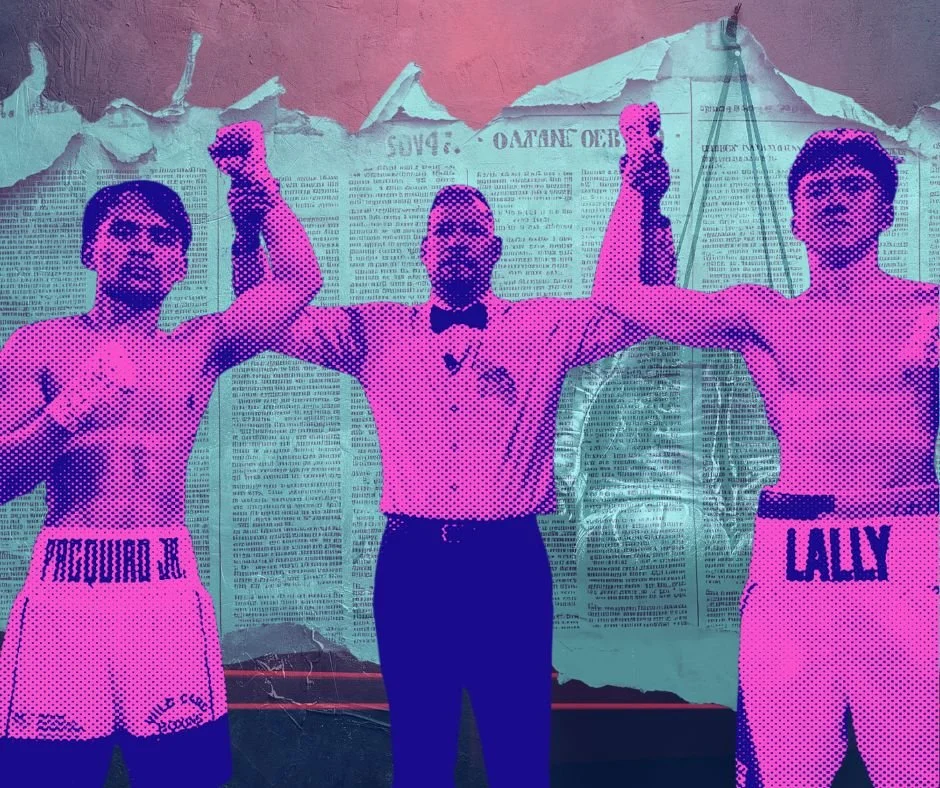
Jimuel Pacquiao’s pro debut ends in a majority draw, raising big questions about legacy, pressure, and the first steps of his boxing journey.
Maybe it’s time to stop defining who we are by what we’ve suffered, and start loving who we’ve become.
For decades, visibility was the dream. Filipino Americans looked at city councils, state legislatures, and Congress and wondered: When will we finally be seen? When will our names, our faces, our accents belong in the political landscape of the country we helped build?
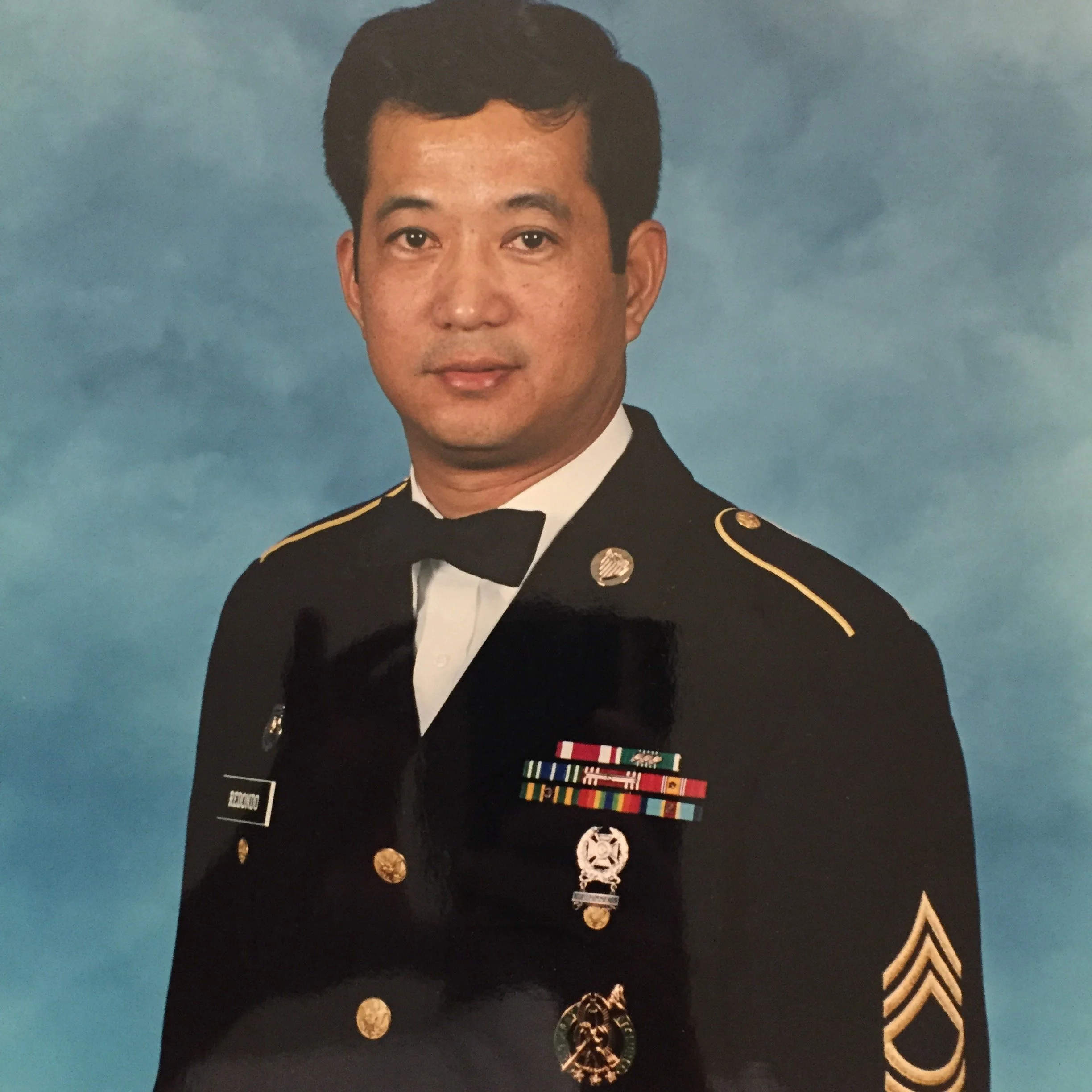
In observance and celebration of Veterans Day, I have the special honor of interviewing someone who means the world to me — my dad. He is a proud U.S. Army veteran and a proud Filipino American whose journey reflects both courage in service and strength in identity.
Loving a Country You No Longer Live In: When Filipino American Power Meets Philippine Politics
Rico Hoey grew up playing golf and even shared his home course of Goose Creek Golf Club (Mira Loma, CA) with fellow PGA tour member, Sahith Theegala. In an interview with Fore Magazine in 2023, Theegala told Fore Magazine that “Hoey is a genuine person who makes it fun to be around”.
COCOLAB was founded by sisters Dr. Chrystle Cu and Catherine Cu. Dr. Chrystle Cu, a dentist, is passionate about enhancing oral care products. Catherine Cu, an artist, contributes her design expertise to the business.
Known for transforming the simplest ingredient, the egg, into crave-worthy comfort food, Eggslut became phenomenon. And at the center of it all is its founder, Alvin Cailan, a Filipino-American with a vision.
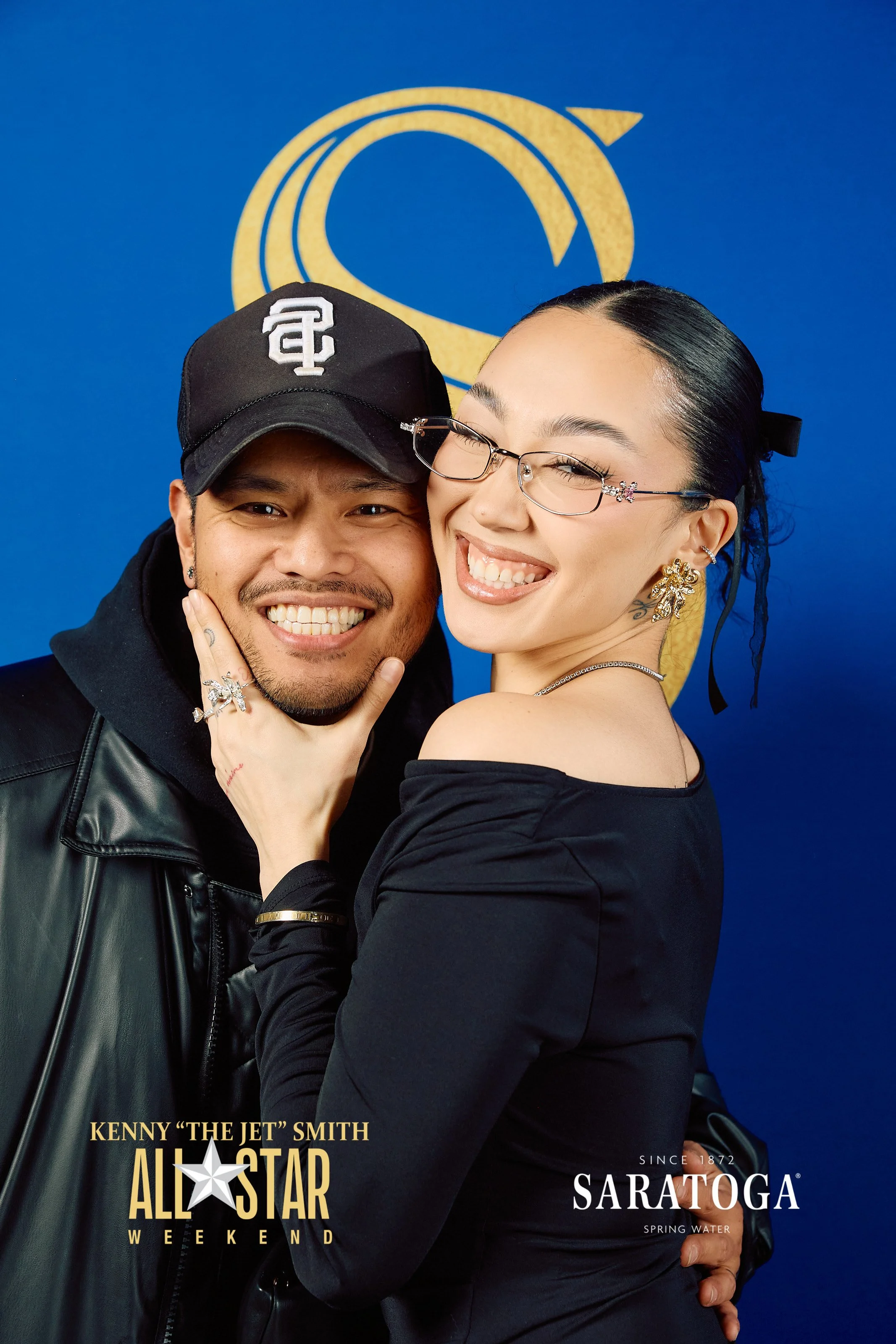
In the world of event activations and experiential marketing, standing out is not easy. You’ll find yourself competing against companies that have been operating for years or even small boutique agencies. The Lounge Booth, has quickly become the go-to for brands, celebrities, and influencers seeking an elevated, one-of-a-kind photography experience.
Chef Danielle Comerford, explores the rich culinary heritage of the Philippines in Episode #3: Kain Tayo of the Netflix docuseries 1 in 7641. The episode follows Comerford as she journeys through Bacolod, Pampanga, and Ilo-Ilo, sampling diverse local dishes.
Being Filipino American in California is not the same as being Filipino American in Ohio. Identity shifts with geography - and organizing must too.
As Filipino American History Month comes to a close, DISKARTE: Coalition reminds us that culture isn’t just something to celebrate — it’s something to build from.
From basketball courts to kitchens, DJ booths to art studios, DISKARTE is turning Filipino creativity into collective power.
In Filipino culture, a failed marriage is not just heartbreak - it’s treated like a family shame. But silence only deepens the wounds.
‘Noise Complaints’ has collaborated with artists such as DJ Sparky, RECAP, DJ Jehred, DJ LEX, and Miles Medina, among others. By spotlighting these talents, Noise Complaints not only provides a platform for their creativity.
Mariah Carey just made it official. Christmas has begun — in October, in Manila. The Queen of Christmas didn’t wait for December to drop All I Want for Christmas Is You live, and honestly, that’s the most Filipino-coded thing ever.
She’s always said her Filipino fans are some of her most loyal, and this time she proved the love is mutual. Sparkly gown by Michael Cinco, whistle notes on point, and a crowd that sang every line like it was Noche Buena.
Jae'roze Tate is a Filipino African American musical artist who blends English and Tagalog in her rap lyrics. Born and raised in the Philippines, she later moved to the United States for higher education.
Our parents dreamed of retiring in the Philippines. But if we only buy condos we rarely live in, we’re not building wealth - we’re burying it.
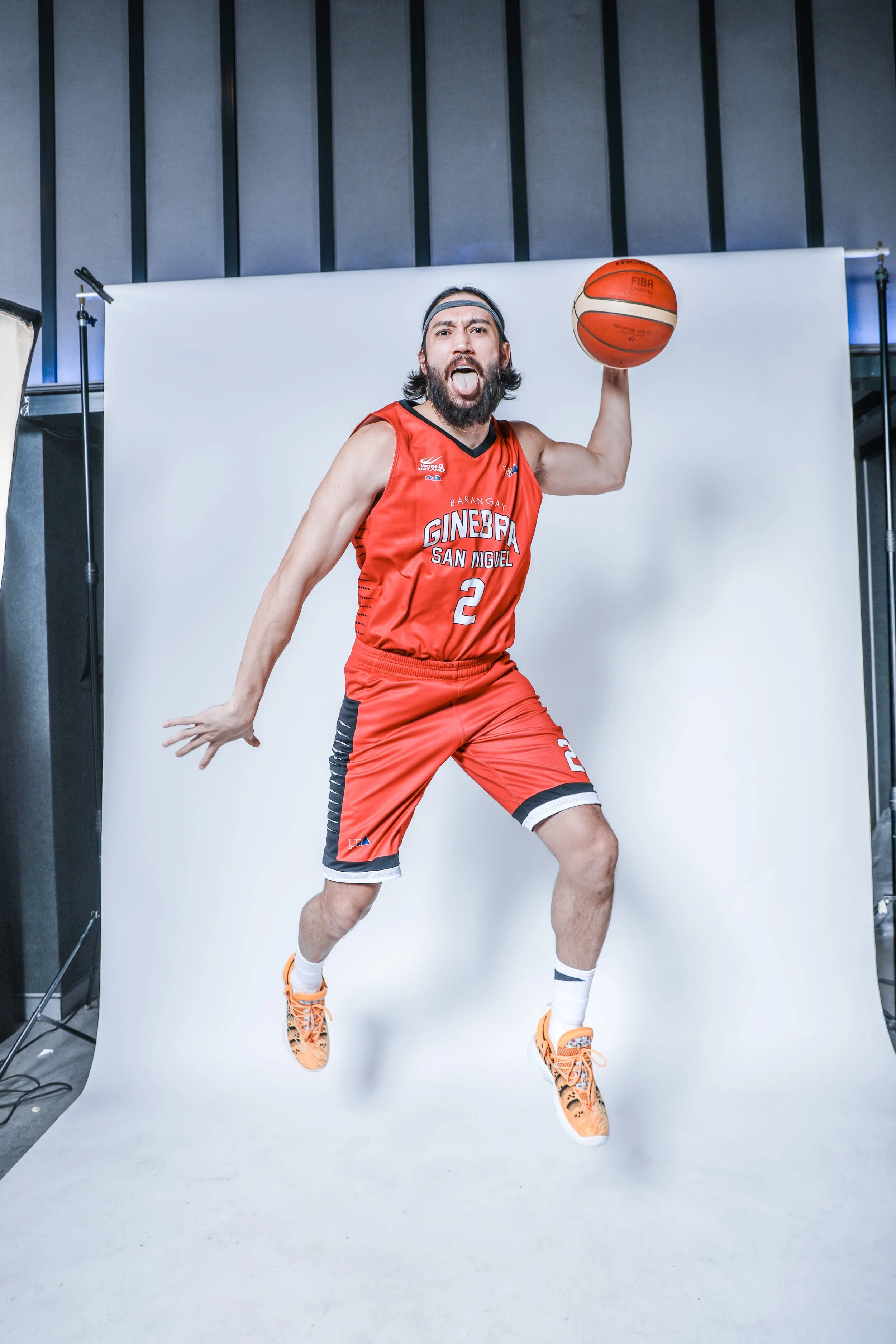
Professional basketball player turned media-tech entrepreneur. Jared Dillinger played in the Philippine Basketball Association (PBA) for 18 years and won 9 PBA championships throughout his career.
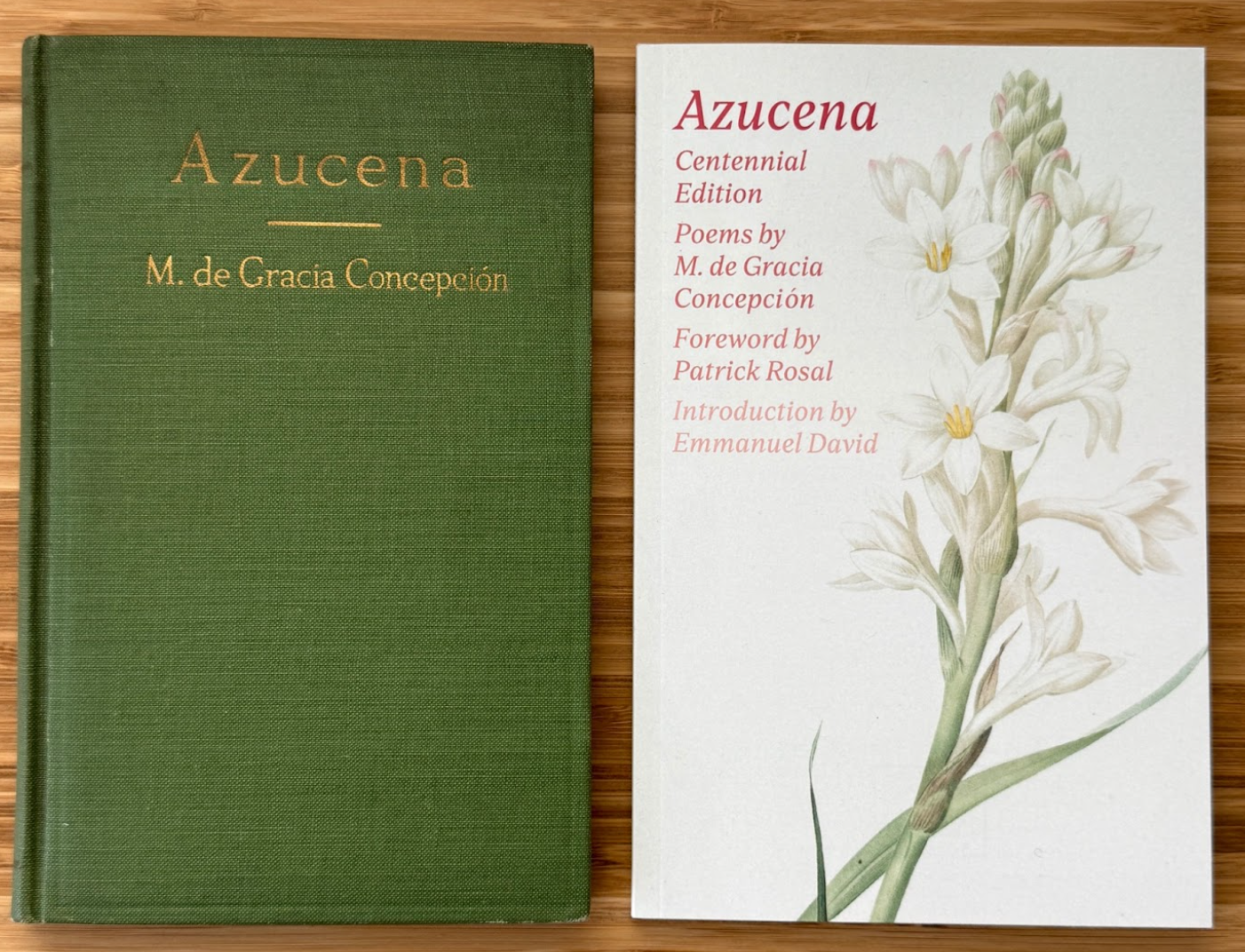
rofessors Emmanuel David and Yumi Janairo Roth have extensively researched this forgotten group, publishing their findings in February 2024 in Playing Filipino: Racial Display, Resistance, and the Filipino Rough Riders in Buffalo Bill’s Wild West .
Maris Racal brings Antoinette Jadaone’s award-winning film Sunshine to the 2025 San Diego Filipino Film Festival as the Centerpiece Presentation. The coming-of-age drama about a young gymnast facing impossible choices continues its global run.
Outsourcing isn’t job creation. It’s wage theft with a passport - even when Filipinos do it to Filipino.
An unflinching look at how political dynasties have turned Philippine democracy into a family business — and how those same loyalties continue to divide and define Filipino America.
A sports marketing professional, award-winning host and multi-hyphenate creative, has added filmmaker to her list of accomplishments. Her passion lies in expanding soccer's reach by sharing stories that highlight identity, culture, and belonging.
Elenita Makani O'Malley is taking kwentuhan, the act of storytelling, to another level through her upcoming short documentary about four generations of Filipina Americans from Oakland, California.
Filipino restaurants are making culinary history — from the first Michelin star at Kasama to James Beard wins (Kuya Lord, Abi Balingit) and a flurry of nominations — drawing national attention to a cuisine that’s been here all along.
Explore the differences between being Filipino and Filipino American—two identities shaped by history, migration, and culture. This blog unpacks why the gap matters for solidarity, power, and global Filipino identity.
Indigenous communities are not symbols. They are sovereign nations.
Did you know San Jose once had its own Pinoytown? 🌆 Before Japantown became what we know today, Sixth Street was alive with Filipinos, Japanese, and Chinese families building lives together.
Jessica Sanchez wins America’s Got Talent Season 20 in a powerful full-circle moment. The Filipina American singer, once a child contestant, returned pregnant and unstoppable to claim the crown and inspire a generation.


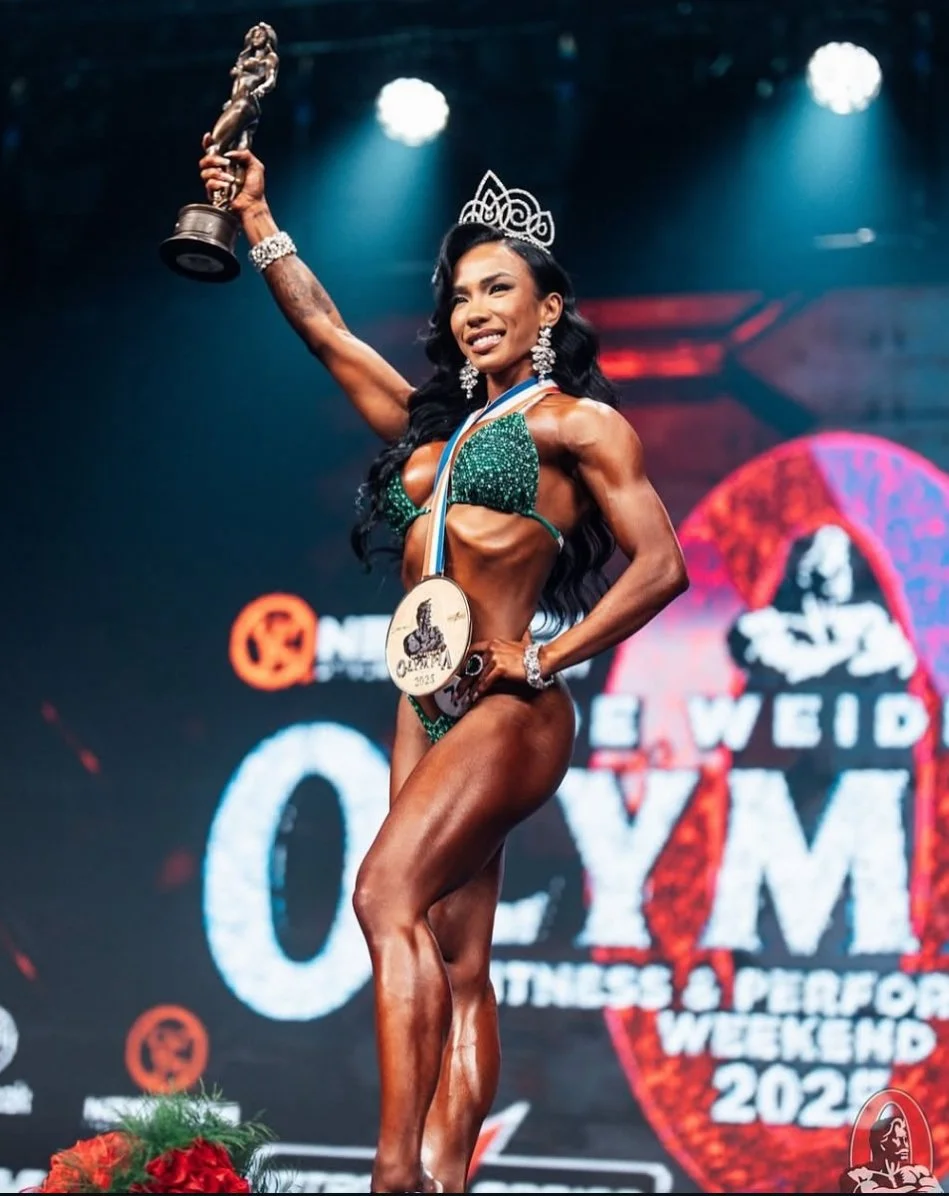
On October 11, 2025, Maureen Blanquisco officially carved her name in the Bodybuilding hall of fame with her 1st place victory at the Ms. Olympia Bikini competition. This 2025 win made her a 2x champ in the sport, which is an accomplishment only held by 3 other women in bodybuilding history.
Read More